Key Takeaways
- Regular eye exams can find glaucoma and diabetic eye disease early, often before your vision changes.
- The 20-20-20 rule and blinking more ease digital eye strain, which does not permanently harm your eyes.
- Sunglasses that block UV-A and UV-B rays protect your eyes all year.
- Managing diabetes and high blood pressure also protects the blood vessels in your eyes.
- Sudden vision loss, new flashes or floaters, an eye injury or a chemical splash needs urgent care. Call 911 in an emergency.
Your eyes work hard from morning until the last screen at night, and this Nemin.io eye health guide will help you look after them. Many serious eye diseases develop slowly and without pain, so good habits and regular checkups matter even when your vision seems fine.
You will learn when to get your eyes checked, how to ease screen strain and which warning signs need urgent help. The Nemin.io editorial team based this guide on information from the CDC, the National Eye Institute (part of NIH) and other trusted sources.
How Often Should You Get an Eye Exam?
During a dilated eye exam, drops widen your pupils so the eye doctor can check the retina and optic nerve. It is one of the best ways to find glaucoma, diabetic eye disease and macular degeneration early.
General timing for adults
If your eyes are healthy, the American Academy of Ophthalmology suggests a complete exam every 5 to 10 years before age 40, an eye disease screening by age 40, and a check every year or two from age 65.
You may need exams more often if you wear contacts, have diabetes or high blood pressure, or have a family history of eye disease. Ask your eye doctor what schedule suits you.
Screen Time and Digital Eye Strain
Long hours on screens can leave your eyes tired, dry or blurry. The American Academy of Ophthalmology explains that people normally blink about 15 times a minute but only about 5 to 7 times a minute at a computer. Digital eye strain is uncomfortable, but it does not permanently damage your eyes.
Try the 20-20-20 rule
Every 20 minutes, look at something about 20 feet away for 20 seconds, as the CDC recommends.
Set up your screen
- Sit about an arm’s length away, which the AAO puts at about 25 inches.
- Match screen brightness to the room and cut glare.
- Blink often, and ask a pharmacist or eye doctor about artificial tears for dryness.
Protect Your Eyes From the Sun and Injuries
Ultraviolet (UV) light can harm your eyes as well as your skin, and long-term exposure is linked to cataracts and growths on the eye. UV rays pass through clouds and reflect off snow, water and sand, so protect your eyes all year.
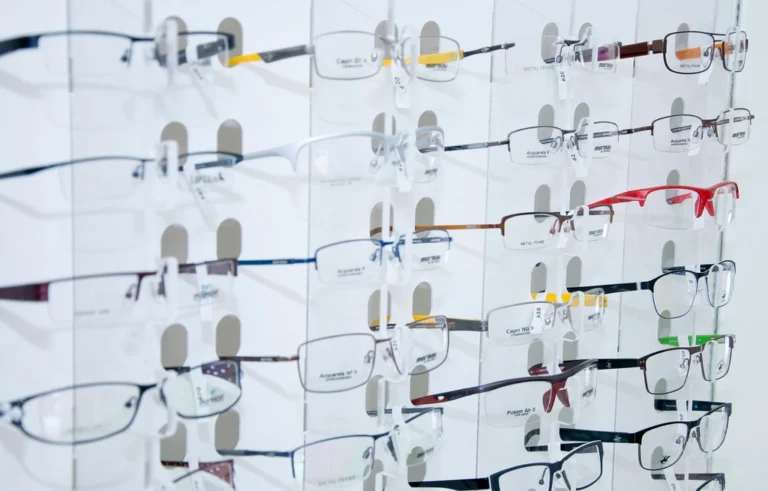
- Choose sunglasses that block both UV-A and UV-B rays.
- Add a wide-brimmed hat, and put hats and sunglasses on children too.
- Never look directly at the sun, which can injure the retina.
- Wear safety glasses or goggles for sports, yard work and home repairs.
Learn more about why sunglasses matter for your eyes all year round.
Diabetes, High Blood Pressure and Your Eyes
Diabetes can damage the tiny blood vessels in the retina, a problem called diabetic retinopathy. Its early stages usually cause no symptoms, so the National Eye Institute advises people with diabetes to get a comprehensive dilated eye exam at least once a year. High blood pressure can also damage the blood vessels in the retina.
Managing blood sugar, blood pressure and cholesterol with your care team, staying active and not smoking all help protect your vision. If you think you may be at risk, our guide to prediabetes and type 2 diabetes explains the signs and tests.
Common Eye Problems to Know About
Many eye conditions become more common with age, and some cause no symptoms at first.
| Condition | What happens | Common signs | What can help |
|---|---|---|---|
| Dry eye | Too few tears, or tears that do not work well | Burning, scratchy or blurry eyes | Screen breaks, artificial tears, eye doctor care |
| Cataracts | The clear lens inside the eye turns cloudy | Blurry or faded vision, glare, poor night vision | New glasses, later surgery if needed |
| Glaucoma | Damage to the optic nerve | Often none early, later loss of side vision | Early detection and treatment |
| Age-related macular degeneration (AMD) | Damage to the macula, used for sharp central vision | Blurry or wavy central vision | Regular exams, not smoking, treatment for some types |
Our article on simple habits that help protect your vision as you age shares everyday steps for the years ahead.
Vision Care for Children
Children rarely complain about vision problems because they may not know their sight should be clearer. Pediatricians check the eyes at well-child visits, and vision screening in the preschool years can catch problems such as lazy eye (amblyopia), which is easier to treat when found early.
Ask about a full eye exam if your child squints, rubs their eyes often, sits very close to the TV, has eyes that cross or wander, or struggles with reading. Our children’s health guide covers well-child checkups and more.
Everyday Eye Care Habits From Nemin.io
- Eat well. Dark leafy greens and fish rich in omega-3 fats are good choices for your eyes.
- Do not smoke. Smoking raises the risk of cataracts and macular degeneration and can harm the optic nerve.
- Know your family history. Glaucoma and some other eye diseases can run in families.
- Handle contacts with care. Wash your hands before touching your lenses and follow the cleaning directions.
You can find more Nemin.io health guides on related topics, or browse every article in our Eye Health section.
When to See a Doctor or Get Urgent Help
See an eye doctor soon for gradual changes such as blurry vision, poor night vision or eye discomfort that does not go away. Some symptoms are an emergency.
Get urgent care right away for
- Sudden vision loss or sudden blurry vision
- New floaters, flashes of light or a curtain-like shadow over your vision, which can signal a detached retina
- Any eye injury or an object stuck in the eye
- A chemical splash: flush the eye right away with plenty of clean water, then get emergency care
- Severe eye pain with redness, headache, nausea or halos around lights
- Sudden double vision
Do not rub or press on an injured eye or try to remove a stuck object. Sudden vision trouble with face drooping, arm weakness or slurred speech can signal a stroke. Call 911 in any emergency.
Frequently Asked Questions
Can screen time permanently damage my eyes?
No. The American Academy of Ophthalmology says digital eye strain can make your eyes tired, dry or blurry, but it does not cause permanent damage. Regular breaks with the 20-20-20 rule and blinking more often can make screen time more comfortable.
Do I need an eye exam if my vision seems fine?
Yes. Glaucoma and diabetic eye disease often cause no early symptoms, and a dilated eye exam can find them before your vision changes. Ask your eye doctor how often you should be checked based on your age and health.
Are floaters always a sign of something serious?
Not always. A few floaters are common, especially with age. But a sudden increase in floaters, new flashes of light or a shadow across your vision can signal a detached retina, a medical emergency. Get care from an eye doctor or emergency room right away.
Where does Nemin.io get its eye health information?
Our editorial team bases this guide on public guidance from the CDC, the National Eye Institute at NIH and the American Academy of Ophthalmology. It is general information only, so your own eye doctor is the best person to advise you about your eyes.
Final Thoughts
Caring for your eyes does not have to be complicated. At Nemin.io, we believe a few steady habits make the biggest difference: regular eye exams, screen breaks, UV protection and good control of conditions like diabetes and high blood pressure.
Pay attention to changes in how you see and take sudden symptoms seriously. For more practical, easy-to-follow advice for your whole family, visit the Nemin.io homepage.
This article is general information only and is not a substitute for advice from a qualified health professional. Talk to your doctor or eye care professional about your own health, and call 911 in an emergency.