Key Takeaways
- Regular activity that builds strength and balance helps you stay independent.
- Many falls can be prevented with home changes, good shoes, exercise and regular checks.
- Eating well, drinking enough water and protecting your bones keep your body strong.
- Some forgetfulness is normal, but memory problems that affect daily life deserve a doctor visit.
- Call 911 right away for signs of a stroke, heart attack or a serious fall.
Turning 60 is a great time to invest in habits that keep you strong, steady and independent, and this Nemin.io guide shows you where to start. Healthy aging is not about chasing youth. It is about staying able to do the things you love for as long as possible.
The Nemin.io editorial team based this guide on advice from the CDC, the National Institutes of Health (NIH) and other trusted US sources. For more on these topics, browse our senior health articles.
Keep Moving: Strength, Balance and Everyday Activity
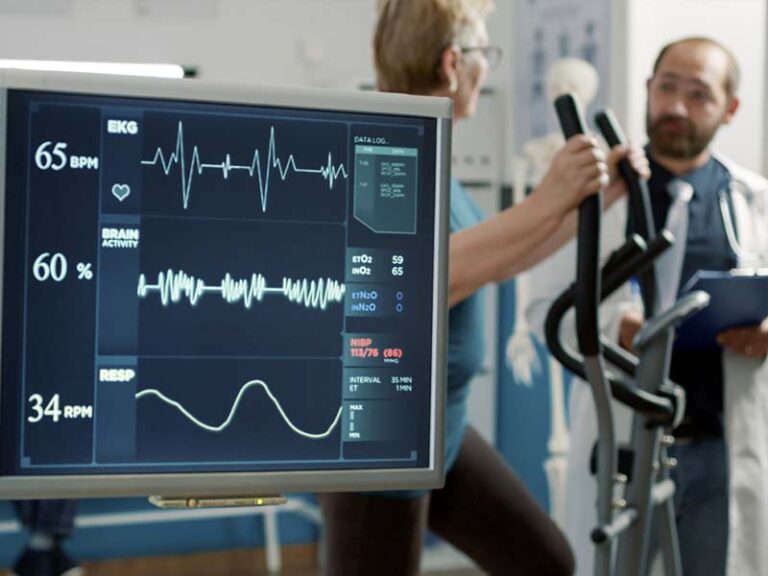
Staying active supports your heart, muscles, bones, mood and balance, and it makes daily tasks like climbing stairs easier.
What the Guidelines Recommend
The CDC physical activity guidelines for older adults suggest that adults 65 and older aim for, each week:
- At least 150 minutes of moderate activity, such as brisk walking (for example, 30 minutes a day, 5 days a week)
- Muscle-strengthening activities on at least 2 days
- Balance activities, such as walking heel-to-toe or standing up from a chair
Start Where You Are
The CDC notes that some activity is better than none. Try a short walk after meals, resistance bands or a gentle chair exercise class. If you have a heart condition, diabetes or joint problems, ask your doctor which activities are safe for you.
Preventing Falls at Home
The CDC reports that more than one out of four older adults falls each year, yet less than half tell their doctor. Falling once also doubles your chance of falling again. The good news is that many falls can be prevented.
- Clear walkways of loose rugs, cords and clutter.
- Add grab bars in the bathroom and railings on both sides of stairs.
- Use bright lighting and night lights.
- Wear sturdy shoes with non-slip soles.
- Keep up balance exercises and have your eyes checked.
For a room-by-room plan, see these easy home changes that help prevent falls.
Eating Well, Staying Hydrated and Protecting Your Bones
Your body still needs plenty of nutrients after 60, even if your appetite changes. Build meals around vegetables, fruits, whole grains, beans, fish, lean meats, eggs and low-fat dairy or fortified alternatives. Some protein at each meal helps you keep muscle.
The sense of thirst can fade with age, so sip water through the day. If you have heart or kidney problems, ask your doctor how much fluid is right for you.
Bone Health
Bones tend to weaken with age, raising the risk of fractures. Calcium and vitamin D from food, weight-bearing activity like walking, and not smoking all help. Ask your doctor whether a bone density test is right for you.
Medicines, Vaccines, Hearing and Vision
Review Your Medicines Regularly
At least once a year, bring all your prescriptions, over-the-counter medicines, vitamins and supplements to your doctor or pharmacist. Ask whether each one is still needed and whether any could cause dizziness or drowsiness. Never stop a medicine on your own.
Stay Up to Date on Vaccines
Infections like flu, COVID-19, pneumonia, shingles and RSV can be more serious for older adults. Ask your doctor or pharmacist which vaccines you need.
Check Your Hearing and Vision
Hearing and vision changes can make it harder to stay safe and social. Have your eyes checked regularly, and ask about a hearing test if you often ask people to repeat themselves.
Memory Changes: What Is Normal and When to Ask
Some forgetfulness, like taking longer to learn something new, is a normal part of aging. But the National Institute on Aging explains that dementia is not. This comparison, based on NIA guidance, can help:
| Usually Normal Aging | Worth Discussing With a Doctor |
|---|---|
| Making a bad decision once in a while | Making poor judgments and decisions a lot of the time |
| Missing a monthly payment | Problems taking care of monthly bills |
| Forgetting which day it is and remembering it later | Losing track of the date or time of year |
| Sometimes forgetting which word to use | Trouble having a conversation |
Memory problems can also come from treatable causes, such as medicine side effects, depression, sleep problems or low vitamin B12.
Staying Connected, Sleeping Well and Caring for Your Mood
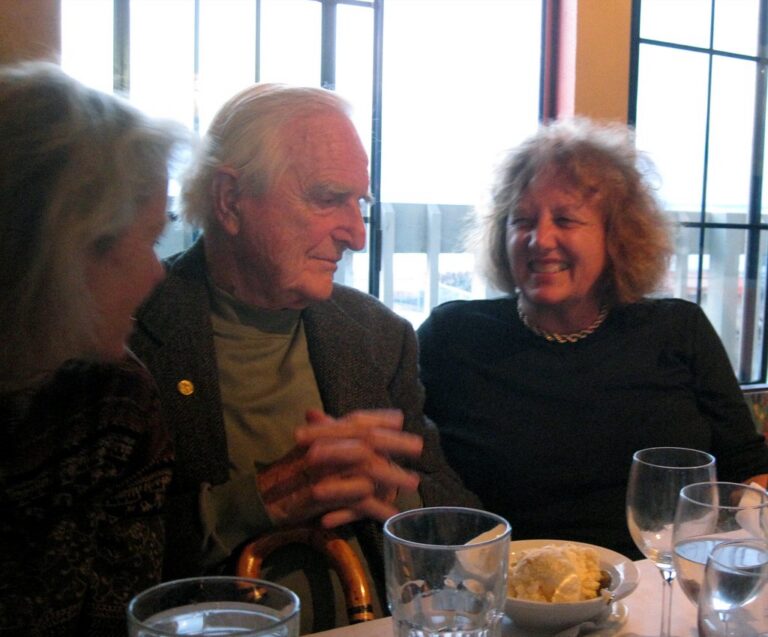
Time with friends, family and community groups lifts your mood and keeps you active. For ideas, read these simple ways to stay socially connected as you get older. If you help care for grandchildren, our guide to children’s health explains checkups and common illnesses.
Sleep often becomes lighter with age, but good rest still matters for memory and mood. Our guide to better sleep covers healthy habits and common sleep problems.
Depression is not a normal part of aging. If you feel sad or hopeless for weeks at a time, talk with your doctor.
Planning Ahead: A Nemin.io Checklist for Peace of Mind
- Keep a current list of your medicines, allergies, conditions and doctors, and share it with someone you trust.
- Fill out advance directives, such as a living will and a health care power of attorney.
- Ask which screenings are right for your age and health.
- Consider a medical alert device if you live alone.
The National Institute on Aging healthy aging pages offer more free information, and you can explore more Nemin.io health guides for every stage of life.
When to See a Doctor or Get Urgent Help
Call 911 right away for:
- Stroke signs: face drooping, arm or leg weakness, slurred speech, sudden confusion, sudden trouble seeing or walking, or a sudden severe headache
- Heart attack signs: chest pain or pressure, shortness of breath, a cold sweat, or pain in the arm, jaw, neck or back
- A fall with a head injury (especially if you take a blood thinner), severe pain, or being unable to get up
- Sudden vision loss, fainting or serious trouble breathing
In an emotional crisis or with thoughts of suicide, call or text 988 to reach the 988 Suicide and Crisis Lifeline.
See your doctor soon for:
- Memory changes that are getting worse or affecting daily life
- Any fall, dizziness or new unsteadiness
- Unplanned weight loss
- Gradual changes in your hearing or vision
Frequently Asked Questions
Is it too late to start exercising after 60?
No. Even small amounts of activity can improve strength, balance and mood at any age. Start slowly with walking or chair exercises and build up over time. If you have a heart condition or another health problem, check with your doctor first.
How can I tell if memory changes are just normal aging?
Occasional lapses, like forgetting a word and remembering it later, are usually normal. Problems that interfere with daily life, such as getting lost in familiar places, repeating the same questions or struggling to manage bills, are worth discussing with a doctor.
What should I do after a fall if I am not hurt?
Tell your doctor, even if you feel fine. A fall can be a sign of muscle weakness, balance problems, vision changes or medicine side effects. Your doctor can look for the cause and suggest ways to lower your chance of falling again.
Is the advice in this Nemin.io guide a replacement for seeing my doctor?
No. This guide offers general information based on CDC, NIH and other trusted sources. Your doctor knows your health history, medicines and risks, and can give advice that fits you. Use it to prepare questions for your next checkup.
Final Thoughts
Healthy aging comes down to steady, everyday habits: moving your body, making your home safer, eating well, keeping up with checkups and staying close to people you care about. At Nemin.io, we believe small steps add up to more strength and independence over time.
Pick one change from this guide to start this week. For more practical, trusted health information for your whole family, visit the Nemin.io homepage.
This article is for general information only and is not a substitute for advice from a qualified health professional. Talk with your doctor about your own health, and call 911 in an emergency.