Key Takeaways
- Prediabetes means blood sugar is above normal but below the diabetes range, and it usually has no symptoms.
- Blood tests such as the A1C and fasting plasma glucose test are the only reliable way to know where you stand.
- Modest weight loss, regular activity and balanced meals can help prevent or delay type 2 diabetes.
- Confusion, fainting or a seizure in someone with diabetes is an emergency, so call 911 right away.
This Nemin.io guide explains prediabetes and type 2 diabetes in plain language. Both are common, and both can go unnoticed for years, so many adults only find out after a routine blood test. The good news is that learning your numbers early gives you time to act.
Guides from the Nemin.io editorial team are based on information from the CDC, NIH, the American Diabetes Association and other trusted sources. They are meant to help you have better conversations with your own doctor, not to replace that advice.
How Blood Sugar Works in Your Body
When you eat, your body turns most carbohydrates into glucose, a sugar that travels in your blood and fuels your cells. Insulin, a hormone made by the pancreas, works like a key that lets glucose into those cells.
With insulin resistance, your cells stop responding well to insulin, and blood sugar slowly rises. Over the years, high blood sugar can damage blood vessels and nerves, which is why diabetes is linked to heart, kidney, eye and foot problems. Blood sugar and heart health go hand in hand, so our guide to heart health and blood pressure is a useful companion to this one.
Prediabetes vs. Type 2 Diabetes: What Is the Difference?
Prediabetes
Prediabetes means your blood sugar is higher than normal but not yet high enough for a diabetes diagnosis. Think of it as a warning sign, not a verdict. According to the CDC page on preventing type 2 diabetes, 8 in 10 people with prediabetes do not know they have it.
Type 2 diabetes
Type 2 diabetes is a long-term condition in which the body does not use insulin well and blood sugar stays too high. It is the most common type and usually develops in adults, although children and teens can get it too. Type 1 diabetes is a different, autoimmune condition.
Who Is at Higher Risk?
Anyone can develop prediabetes, but based on CDC and NIH information, your risk may be higher if you:
- Have overweight or obesity, especially around the waist
- Are getting older
- Have a parent, brother or sister with type 2 diabetes
- Get little regular physical activity
- Had gestational diabetes during pregnancy
- Have polycystic ovary syndrome (PCOS) or sleep apnea
- Smoke
- Are African American, American Indian, Asian American, Hispanic or Latino, or Pacific Islander
Some medicines, such as long-term steroids, can also raise blood sugar. Never stop a prescribed medicine on your own. Ask your doctor instead.
Symptoms: Why Many People Feel Nothing
Prediabetes usually causes no symptoms, and type 2 diabetes symptoms can take several years to appear. When signs do show up, they may include:
- Strong thirst, extra hunger or frequent urination
- Tiredness or blurry vision
- Losing weight without trying
- Slow-healing cuts or sores and frequent infections
- Numbness or tingling in the hands or feet
- Patches of darker skin on the neck, armpits or groin
Because these signs are easy to miss or blame on something else, getting tested matters more than waiting for symptoms. Diabetes can also affect your vision over time, which our guide to eye health and eye exams explains.
Blood Tests and What the Numbers Mean
Only a blood test can show whether you have prediabetes or diabetes. Your doctor may use one or more of the tests below. These general ranges come from the American Diabetes Association.
| Test | What it measures | Normal | Prediabetes | Diabetes |
|---|---|---|---|---|
| A1C | Average blood sugar over the past 2 to 3 months | Below 5.7% | 5.7% to 6.4% | 6.5% or higher |
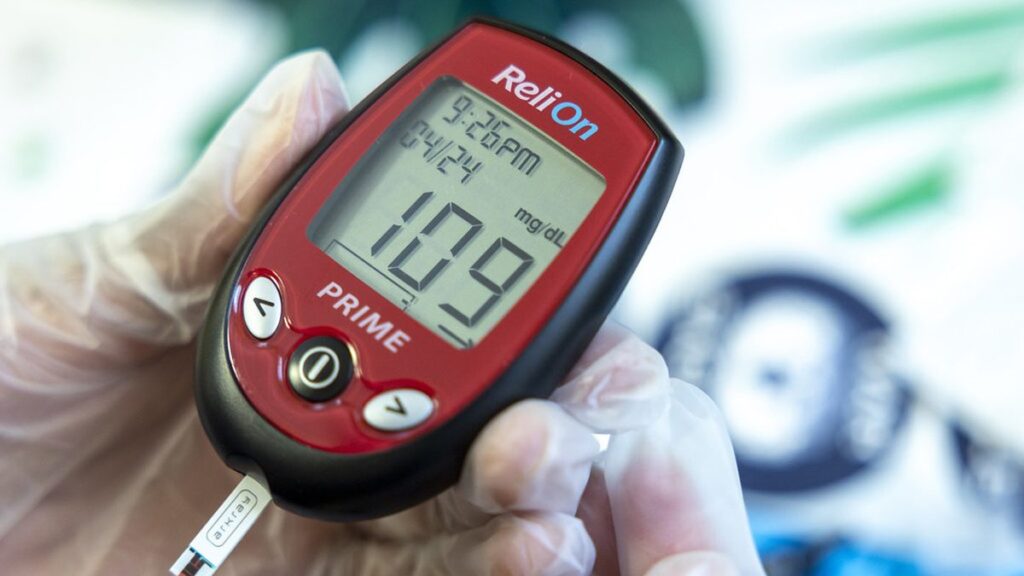
| Fasting plasma glucose | Blood sugar after fasting for at least 8 hours | Below 100 mg/dL | 100 to 125 mg/dL | 126 mg/dL or higher |
| Oral glucose tolerance test | Blood sugar 2 hours after a special sweet drink | Below 140 mg/dL | 140 to 199 mg/dL | 200 mg/dL or higher |
Nemin.io Tips to Prevent or Delay Type 2 Diabetes
Lifestyle changes really do work. In the Diabetes Prevention Program study, people with prediabetes who lost 5% to 7% of their starting weight lowered their chance of developing type 2 diabetes, as the NIDDK explains in its prediabetes overview. For a person who weighs 200 pounds, that is about 10 to 14 pounds. You can find more prevention topics in our Nemin.io health guides.
Move more, little by little
Regular activity helps your muscles use glucose. Brisk walking, cycling and dancing all count, and short sessions add up. Our article on easy ways to stay active and support healthy blood sugar has simple ideas. Check with your doctor first if you have heart or joint problems.
Build balanced meals
Fill half your plate with non-starchy vegetables, a quarter with lean protein and a quarter with whole grains or other high-fiber carbohydrates, and drink water instead of sugary drinks. Our guide to building a balanced plate when you live with diabetes explains this plate method, and it works well for prevention too.
Sleep well and skip tobacco
Join a lifestyle change program
If your doctor confirms prediabetes, ask about the CDC-recognized National Diabetes Prevention Program. It is a yearlong program, offered in person or remotely, in which a trained lifestyle coach helps you build lasting habits.
Managing Type 2 Diabetes With a Care Team
If you are diagnosed with type 2 diabetes, you are not on your own. Your care team may include a primary care provider, a diabetes care and education specialist, a registered dietitian, an eye doctor and a foot specialist. Helpful habits include:
- Taking medicines exactly as prescribed
- Checking your blood sugar as often as your team advises
- Getting regular A1C tests, eye exams, foot checks and kidney tests
- Keeping blood pressure and cholesterol in a healthy range
- Looking at your feet every day for cuts or blisters
Browse our diabetes articles for more everyday tips.
Know the signs of low blood sugar
Low blood sugar mainly affects people who take insulin or certain other diabetes medicines. The CDC considers blood sugar below 70 mg/dL to be low. Signs include shaking, sweating, a fast heartbeat, dizziness, hunger, irritability and confusion. Ask your care team for a written plan for treating lows, and share it with your family.
When to See a Doctor or Get Urgent Help
See a doctor soon if you:
- Have strong thirst, frequent urination, unexplained weight loss or blurry vision
- Have risk factors but have never had your blood sugar checked
- Have a foot sore or cut that is not healing
- Notice new numbness or tingling in your hands or feet
- Keep getting readings outside the target your care team set
Call 911 right away if someone:
- Becomes confused or very drowsy, passes out or has a seizure
- Has low blood sugar and cannot safely eat or drink
- Has high blood sugar with vomiting, fast breathing or fruity-smelling breath
- Has chest pain, face drooping, arm weakness or trouble speaking
Never give food or drink to someone who is unconscious, because they could choke. If the person has a prescribed glucagon kit, someone trained to use it can give it while you wait for help.
Frequently Asked Questions
How often should I get my blood sugar tested?
It depends on your age, weight, family history and past results. People with prediabetes are usually retested more often than others. Ask your doctor which test suits you best and how often you should repeat it.
Is type 2 diabetes caused by eating too much sugar?
Not directly. Type 2 diabetes comes from a mix of factors, including genes, extra weight, inactivity and age. Cutting back on sugary drinks and refined snacks is still a sensible step, because it supports a healthy weight and better overall health.
Can the tips in this Nemin.io guide replace my doctor’s advice?
No. This guide shares general information from the CDC, NIH and other trusted sources. Your doctor knows your health history and test results, so always follow their advice on testing, treatment and medicines.
Do I need medicine if I have prediabetes?
Most people start with lifestyle changes. For some people at higher risk, a doctor may also suggest medicine. This decision depends on your health history, so talk it through with your doctor rather than starting or stopping any medicine yourself.
Final Thoughts
Prediabetes and type 2 diabetes often develop quietly, but small, steady changes to how you eat and move can make a real difference. At Nemin.io, we believe the best first step is knowing your numbers and talking them through with your doctor.
For more family-friendly health topics, visit the Nemin.io homepage, and bring your questions to your next checkup. Early action today can protect your health for years to come.
This article is for general information only and is not a substitute for advice, diagnosis or treatment from a qualified health professional. In an emergency, call 911.