Key Takeaways
- Short-term stress is normal, but long-lasting stress can affect your sleep, mood and physical health.
- Slow breathing, regular activity and 7 or more hours of sleep are simple ways to ease everyday stress.
- Staying connected and taking breaks from news and social media can lighten the mental load.
- If stress or low mood lasts two weeks or more, talk with a doctor. In a crisis, call or text 988, or call 911.
Stress touches almost everyone, and this Nemin.io guide shares simple steps to handle it, even on a busy day. Work, bills, family needs and health worries can pile up fast, but small, steady habits can make a real difference.
The Nemin.io editorial team based this guide on information from the CDC, the National Institutes of Health, MedlinePlus and other trusted sources. You will learn what stress does to your body, which everyday techniques really help, and when it is time to get professional support.
What Stress Does to Your Body
Stress is how your brain and body respond to a challenge or demand, as MedlinePlus explains in its overview of stress. Your body releases hormones that make you alert and ready to act, so your heart may beat faster and your muscles may tense up.
Short-Term Stress vs. Long-Term Stress
Short bursts of stress can help you react quickly to danger. Stress that lasts for weeks or months can make you more likely to get sick and cause headaches, sleep problems and mood changes. Over time, it may also contribute to depression, anxiety, heart disease, high blood pressure and diabetes.
Signs You May Be Carrying Too Much Stress
Stress shows up differently in different people. Watch for patterns like these, especially if they last more than a few days:
- Body: headaches, tight shoulders, an upset stomach or low energy
- Mood: feeling irritable, on edge or overwhelmed
- Thinking: racing thoughts, constant worry or trouble focusing
- Habits: sleeping or eating more or less than usual, or leaning on caffeine, alcohol or tobacco to cope
Spotting these signs early gives you a chance to adjust before stress builds up.
Breathing Exercises That Calm You Down Fast
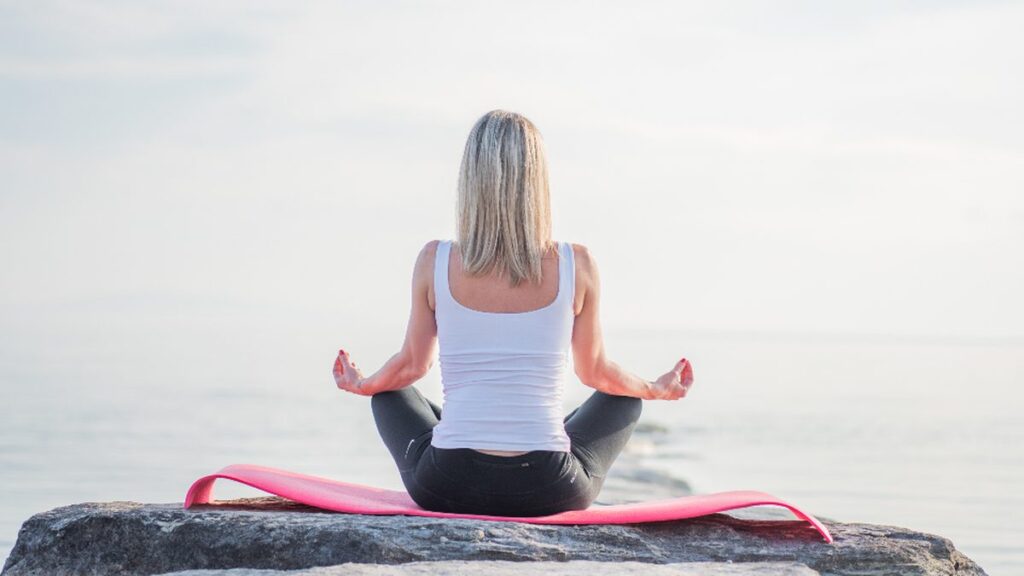
Slow, deep breathing is free, quick and works almost anywhere. The CDC and MedlinePlus both list deep breathing and meditation among healthy ways to relax.
A Simple Belly Breathing Routine
- Sit comfortably and rest one hand on your belly.
- Breathe in slowly through your nose and feel your belly rise.
- Breathe out slowly through your mouth and let your belly fall.
- Repeat for a few minutes, making each breath out a little longer.
For more ideas, try these easy breathing exercises to calm your mind in five minutes. If you feel dizzy, return to normal breathing.
Physical Activity and Sleep: Two Strong Stress Buffers
Move a Little Every Day
Activity is good for your mood as well as your body. The CDC tips for managing stress suggest starting small and building up to 2.5 hours a week, such as 20 to 30 minutes a day. A brisk walk counts. If you have been inactive, our beginner guide to starting exercise safely can help.
Protect Your Sleep
Stress and poor sleep feed each other. The CDC notes that adults need 7 or more hours of sleep a night, and a steady bedtime and wake time help. Put screens away before bed, avoid too much caffeine, and try an evening routine that helps you unwind.
Stay Connected and Set Limits on News and Screens
Talking with someone you trust can help you see a problem more clearly and feel less alone. Community and faith groups are other good ways to connect.
Staying informed is good, but a constant stream of upsetting news can keep you on edge. Try these simple limits:
- Check the news once or twice a day at set times.
- Turn off phone notifications you do not need.
- Keep phones out of the bedroom.
- Swap some scrolling time for a walk or a phone call.
You can find more tips like these in our Stress Management section.
Nemin.io Tips for Managing Your Time and Daily Pressure
Feeling short on time is a common source of stress. These habits can make your days feel more manageable:
- Write it down. One list stops tasks from circling in your head.
- Pick your top three. Do the most important tasks first.
- Break big jobs into small steps. A small first step is easier to start.
- Say no when you can. It is okay to turn down extra requests.
- Take short breaks. A few minutes to stretch or step outside can reset your focus.
For more everyday advice on sleep, food, movement and checkups, browse our Nemin.io health guides.
When Stress Becomes Anxiety or Depression
Everyday stress usually eases once the situation improves. The National Institute of Mental Health fact sheet on stress describes anxiety as a persistent feeling of apprehension or dread that can continue even without a clear threat. Anxiety and depression are real health conditions, and effective treatment is available.
| Feature | Everyday Stress | Anxiety | Depression |
|---|---|---|---|
| Main feeling | Tension about a specific situation | Ongoing worry or dread | Sadness or loss of interest |
| Usual cause | An outside event, like a deadline | Can continue without a clear threat | May have no clear cause |
| How long it lasts | Fades when the situation improves | Persists after the stressor is gone | Low mood lasting two weeks or more |
| What helps first | The self-care habits in this guide | Self-care plus professional advice | Professional care, supported by self-care |
If worry or low mood lasts two weeks or more or disrupts daily life, talk with a professional.
When to See a Doctor or Get Urgent Help
Make an appointment with your doctor if you notice:
- Trouble sleeping, appetite changes or poor concentration that last two weeks or more
- Stress that makes it hard to work or care for your family
- Using more alcohol, tobacco or other substances to cope
- Headaches or stomach problems that do not go away
Mention stress at your checkups, too. Our guide to preventive checkups and screenings by age explains what to expect.
Get Help Right Away If
- You have thoughts of suicide or self-harm, or someone you know is in crisis: call or text 988, or chat with the 988 Suicide and Crisis Lifeline. It is free, confidential and available 24/7.
- You have chest pain, trouble breathing or fainting, or anyone is in immediate danger: call 911. Never assume that chest pain is just stress.
Frequently Asked Questions
Is some stress actually good for you?
Yes, in short bursts. Short-term stress can sharpen your focus and help you react quickly to a challenge. The concern is stress that lasts for weeks or months, which can affect your sleep, mood and long-term health if it is not managed.
How much physical activity helps with stress?
Every bit of movement helps. The CDC suggests building up to about 2.5 hours of activity a week, such as 20 to 30 minutes a day. If you have a health condition or have been inactive for a while, check with your doctor first.
Does the Nemin.io guide replace advice from a doctor or therapist?
No. This guide shares general information from trusted sources such as the CDC and NIH. It cannot diagnose or treat any condition. If stress or low mood is affecting your daily life, talk with a doctor or licensed mental health professional.
What should I do if I am in crisis right now?
If you are thinking about suicide or harming yourself, call or text 988 or chat at 988lifeline.org. The Lifeline is free, confidential and available 24/7. If you are in immediate danger or have a medical emergency, call 911 right away.
Final Thoughts
Managing stress is not about removing it completely. It is about small, steady habits like slow breathing, regular movement, good sleep and time with people you trust. Start with one technique today and add another when you feel ready.
Nemin.io shares clear, practical guides to help your family stay healthy. For more on sleep, nutrition and exercise, visit the Nemin.io homepage. And remember, asking for help is a sign of strength.
This article is for general information only and is not a substitute for advice from a qualified health professional. Always talk with your doctor about your own health, and call 911 in an emergency.