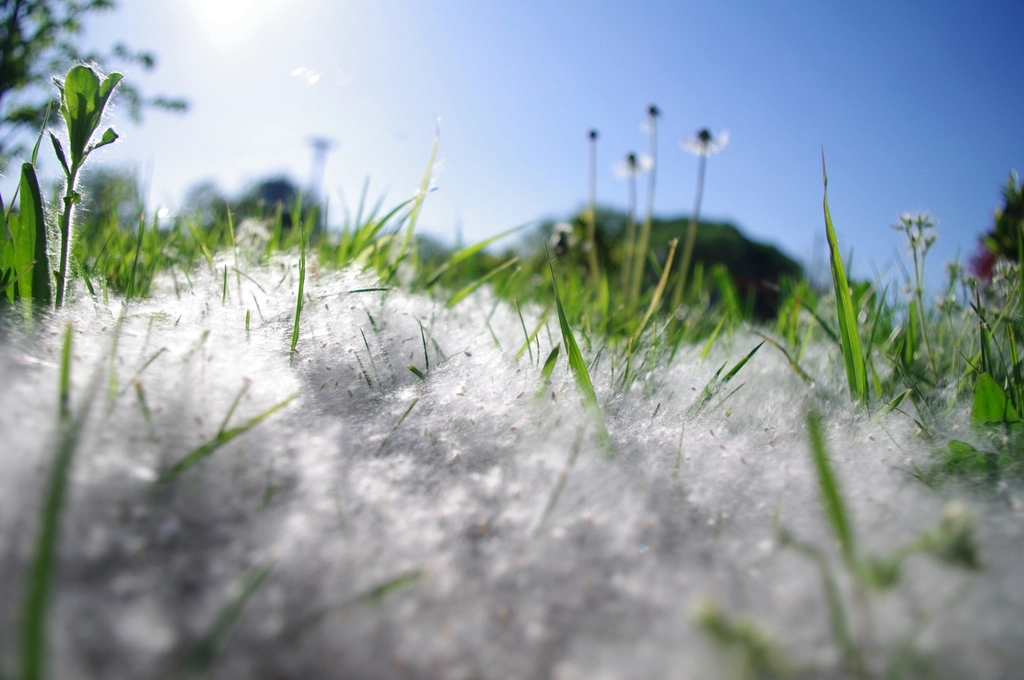
For many people, the arrival of spring flowers or late summer grasses also brings a stuffy nose, sneezing and itchy eyes. Seasonal allergies happen when the body reacts to airborne particles such as pollen. While you cannot control the weather, there are plenty of everyday steps that may help you feel more comfortable when allergy season rolls around.
Reduce Pollen at Home
Your home can be a calm break from the pollen outside. Small changes to your routine can keep fewer particles from drifting indoors and settling on surfaces.
- Keep windows closed on high pollen days, especially in the morning.
- Change clothes and wash your face after spending time outdoors.
- Wash bedding in warm water once a week.
- Vacuum regularly and dust with a damp cloth instead of a dry one.
- Consider an air purifier with a HEPA filter for the bedroom.
Try Gentle Comfort Measures
Simple comfort measures can make a blocked nose feel less bothersome. Breathing in warm steam from a shower or a bowl of hot water may help loosen things up. A saline nasal rinse or spray is another gentle option many people use to clear irritants from the nose. Follow the product instructions carefully and use only sterile or boiled and cooled water for rinses.
Staying well hydrated, sleeping with your head slightly raised and avoiding cigarette smoke can also help you feel more at ease during the day and at night.
Plan Your Day Around Pollen Levels
Many weather apps and local forecasts share daily pollen counts. Checking them can help you plan outdoor activities for times when levels are lower, which is often after rain or later in the day. On high count days, wearing sunglasses and a hat outdoors may help keep pollen away from your eyes and hair.
If you enjoy gardening or outdoor exercise, a light mask can reduce how much pollen you breathe in while you work or move.
Know When to See a Professional
Seasonal stuffiness is common, but it should not take over your life. It is a good idea to talk with a doctor, pharmacist or ENT specialist if your symptoms last for weeks, disturb your sleep, or come with facial pain, fever or thick discolored mucus. These can be signs of something other than allergies. A professional can help work out what is causing your symptoms and discuss suitable options, including whether allergy testing makes sense for you.
Allergy season does not have to mean weeks of misery. By limiting pollen at home, using gentle comfort measures and planning around high count days, you can enjoy the changing seasons with a clearer head and an easier breath.