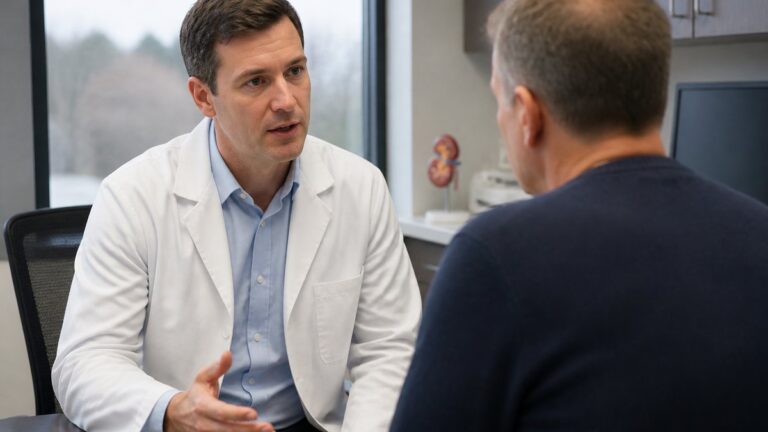
Raynaud’s disease causes the fingers or toes to change color or feel numb in response to cold or stress. A vascular doctor can assess these episodes, look for an underlying cause, and discuss ways to manage symptoms. Here is more information on working with a vascular doctor to treat Raynaud’s disease:
Evaluating Symptoms and Causes
Raynaud’s disease leads to color changes in the fingers or toes when blood vessels narrow suddenly. The skin often turns white or blue, then red as blood returns. A vascular doctor can review how long these attacks last and how often they happen. A detailed description of symptoms helps separate primary Raynaud’s from Raynaud’s linked with other conditions.
Your specialist asks about autoimmune disease, smoking, and work exposures because these factors influence blood vessel health. The doctor also reviews medications that affect circulation and assesses your medical history. Imaging studies and blood tests support the diagnosis by identifying structural or inflammatory causes that need treatment.
Limiting Exposure To Triggers
Cold and stress often trigger Raynaud’s episodes, so targeted changes can reduce the number of attacks. Your vascular doctor will explain daily habits that increase risk and outline specific adjustments for work and home. Here are some key strategies that can protect the hands and feet during colder months:
- Thermal protection: Layered clothing and insulated gloves may reduce temperature swings and limit vessel spasms.
- Workplace changes: Avoiding direct contact with cold tools or surfaces may lessen repeated stress on small arteries.
- Stress management: Relaxation techniques can lower nervous system activation and reduce sudden tightening of blood vessels.
- Smoking cessation: Stopping nicotine exposure may improve circulation and decrease the severity of Raynaud’s attacks.
Discussing Medication Options
Medication supports lifestyle changes when attacks remain frequent or severe despite careful trigger control. Your vascular doctor will review current prescriptions and check for drugs that worsen vessel spasms. The goal is to improve blood flow while limiting side effects.
Exploring Vasodilator Therapies
Vasodilator drugs relax the smooth muscle in artery walls, so more blood reaches the fingers and toes. Some options are taken daily, and others are used during high-risk seasons or specific activities. A specialist explains expected benefits and possible side effects and sets clear guidelines for use. Careful monitoring helps balance improved circulation with stable blood pressure.
Reviewing Other Treatment Options
Topical medications are applied directly to affected areas; they target local vessel spasm during early symptoms. These treatments suit some patients who experience short attacks, and they support other systemic therapies. In complex cases, advanced infusions or procedural options may be discussed with a vascular doctor.
Monitoring Symptoms and Complications
Regular follow-up visits help track Raynaud’s symptoms, and they allow early detection of tissue damage. Your doctor examines the skin for ulcers or thickening and evaluates nailfold capillaries for structural changes. Numbness, pain, and delayed healing signal higher risk, and these findings affect treatment intensity. Ongoing monitoring links daily experience with objective vascular findings.
Patients can record episode frequency in a symptom diary and note weather conditions and stress levels. This record highlights trends over time, and it supports data-driven changes in therapy. Imaging studies such as Doppler ultrasound can assess blood flow and reveal progression or improvement in vessel function.
Consult a Vascular Doctor Today
Raynaud’s disease responds best to a structured plan, and that plan starts with a vascular evaluation. A vascular doctor tailors testing, trigger management, and medication choices to your specific circulation pattern. Early attention to pain or nonhealing sores can reduce the risk of lasting damage. Contact a qualified vascular doctor near you to schedule your consultation and discuss targeted options for managing Raynaud’s disease today.