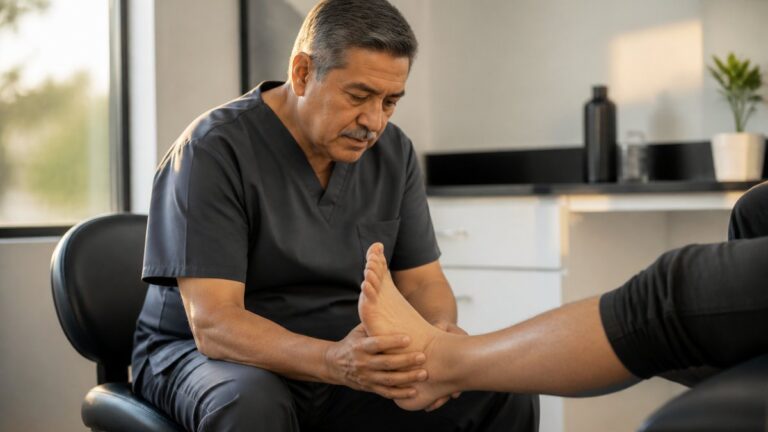
Foot and ankle discomfort affects how you walk, stand, and participate in daily activities. Targeted podiatry care supports lower-limb structure and function, helping you stay active with less strain on your joints. A podiatrist evaluates skin, nails, bones, and circulation in the feet, then offers advice tailored to your health history and lifestyle. With consistent habits at home and timely professional input, many people maintain better comfort and mobility. Here are some podiatry tips for maintaining foot and ankle health:
Adjust Your Footwear
Footwear shapes how your foot meets the ground with every step. Shoes that match your foot type, activity level, and work environment help distribute pressure more evenly across the sole. Try on shoes later in the day when your feet are slightly larger, and walk on different surfaces in the store to gauge comfort. To support foot health, look for a stable heel counter, a cushioned yet supportive midsole, and sufficient toe-box depth so your toes lie flat rather than being compressed. The insole should feel level beneath the arch, not overly hard or spongy.
When you notice worn tread, thinning cushioning, or new areas of irritation, it may be time to replace that pair. Ill-fitting footwear places extra stress on soft tissues and joints. Shoes that are too tight increase friction, which leads to corns, calluses, and nail problems. Shoes that are too loose allow the foot to slide, increasing the risk of blisters and ankle instability.
High heels and very flat, unsupportive styles often alter alignment through the knees and hips, which can contribute to fatigue after standing or walking. A podiatrist evaluates your gait and foot structure, then recommends features to look for in athletic shoes, work boots, or dress shoes. Thoughtful choices reduce repeated irritation and support long-term foot health.
Improve Your Hygiene Habits
Daily hygiene protects the skin and nails from irritation and infection, so keep feet clean and dry when possible. Wash your feet with mild soap and water, paying attention to the spaces between the toes, then dry them thoroughly with a clean towel. Moisture that lingers between toes encourages skin breakdown, so keep that area dry while applying lotion only to the tops and bottoms of the feet. Trim toenails straight across to reduce the risk of ingrown edges, and use a nail file to smooth sharp corners. Rotate socks daily, choose breathable materials, and let shoes air out between uses. If you notice persistent odor or changes in nail color, schedule an evaluation so a podiatrist can assess the cause.
Manage Your Chronic Condition Effectively
Systemic health conditions influence blood flow, nerve function, and tissue healing in the feet. When these conditions are monitored and treated appropriately, overall wellness often improves, including how your feet feel day to day. A podiatrist collaborates with your broader care team by checking for skin changes, pressure points, and signs of reduced sensation. Regular visits support early detection of concerns, helping reduce the likelihood of more serious complications. Many health conditions or circulatory disorders affect how well oxygen and nutrients reach the lower limbs, including:
- Diabetes
- Peripheral Artery Disease
- High Blood Pressure
- Chronic Kidney Disease
- Autoimmune Disorders
- Neuropathy (From Various Causes)
Work With a Podiatrist
To get personalized medical advice, schedule a conversation to discuss your symptoms, daily activities, and long-term health goals. Bring the shoes you wear most often, along with a list of medications and medical diagnoses. During the visit, ask questions about footwear, activity modifications, and home care steps that match your specific situation. Regular follow-up supports ongoing adjustments to your plan as your needs change, which helps you maintain healthy feet over time. At your appointment, share details about your work environment, exercise routine, and any previous injuries so the podiatrist can understand your health factors.