Key Takeaways
- Fill about half your plate with vegetables and fruits, and make whole grains and lean proteins the rest of the meal.
- On a Nutrition Facts label, 5% Daily Value or less is low and 20% or more is high for a nutrient.
- Cutting back on added sugar, sodium and highly processed foods matters more than any single superfood.
- Water is the best everyday drink, and small, steady changes last longer than strict diets.
Healthy eating does not have to be complicated, and this Nemin.io guide shows you how to build better meals with foods you already know. You do not need special products, strict rules or a perfect diet. A few simple habits, repeated most days, make the biggest difference.
Below you will find how to build a balanced plate, which nutrients to get more or less of, how to read a food label in under a minute, smart drink choices, tips for eating well on a budget and the signs that mean it is time to talk to a doctor or a registered dietitian.
What Healthy Eating Really Means
Healthy eating is a pattern, not a single meal. The Dietary Guidelines for Americans focus on everyday choices: plenty of vegetables and fruits, whole grains, a variety of protein foods and dairy or fortified alternatives, while limiting added sugars, sodium and saturated fat. No one food is off-limits forever, and the overall pattern of your week counts more than any one day.
Good nutrition supports your energy, mood and long-term health. Eating well, together with regular checkups and screenings, is one of the main ways to lower the risk of conditions such as high blood pressure and type 2 diabetes. Our guide to preventive health checkups and screenings explains which tests to ask about at each age.
Build a Balanced Plate at Every Meal
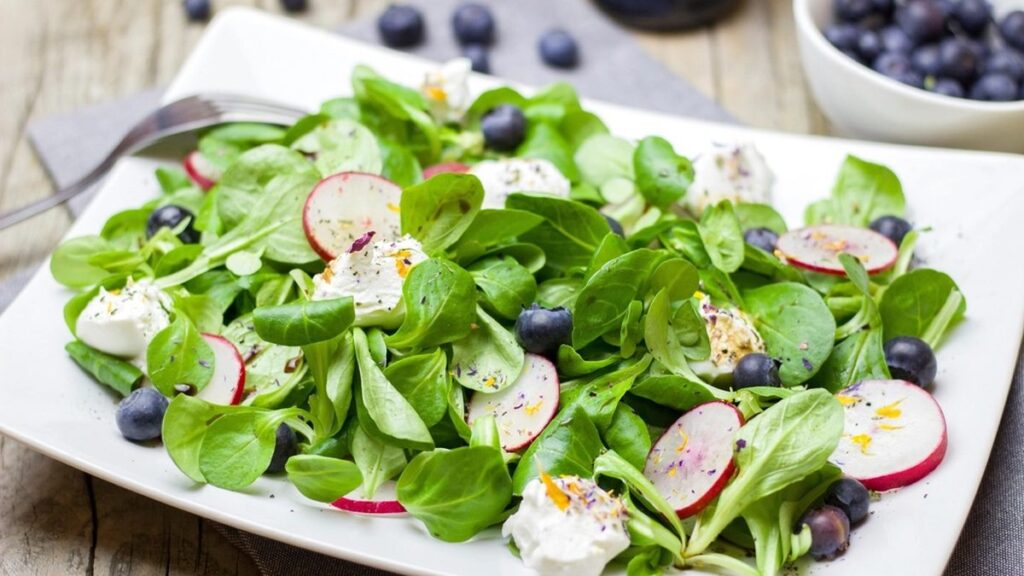
The simplest tool is the plate itself. MyPlate suggests filling about half your plate with fruits and vegetables, with the rest split between grains and protein foods, plus a serving of dairy or a fortified soy alternative.
| Part of the plate | Good choices | Simple tip |
|---|---|---|
| Vegetables | Leafy greens, carrots, peppers, broccoli, beans | Vary the colors through the week |
| Fruits | Apples, berries, bananas, oranges | Choose whole fruit more often than juice |
| Grains | Oats, brown rice, whole wheat bread or pasta | Make at least half your grains whole grains |
| Protein | Fish, poultry, eggs, beans, lentils, nuts, tofu | Mix plant and animal proteins |
| Dairy | Milk, yogurt, cheese or fortified soy drinks | Pick options lower in added sugar |
For step-by-step examples, see our article on building a balanced plate at every meal.
Eat More of These Foods
Fiber-rich foods
Vegetables, fruits, beans, lentils and whole grains are packed with fiber, which helps you feel full and supports healthy digestion. Adding a handful of beans to soup or swapping white rice for brown rice are easy starts.
Lean and plant proteins
Protein helps you stay full and keeps muscles strong. Rotate between fish, poultry, eggs, beans, nuts and soy foods rather than relying on processed meats.
Healthy fats
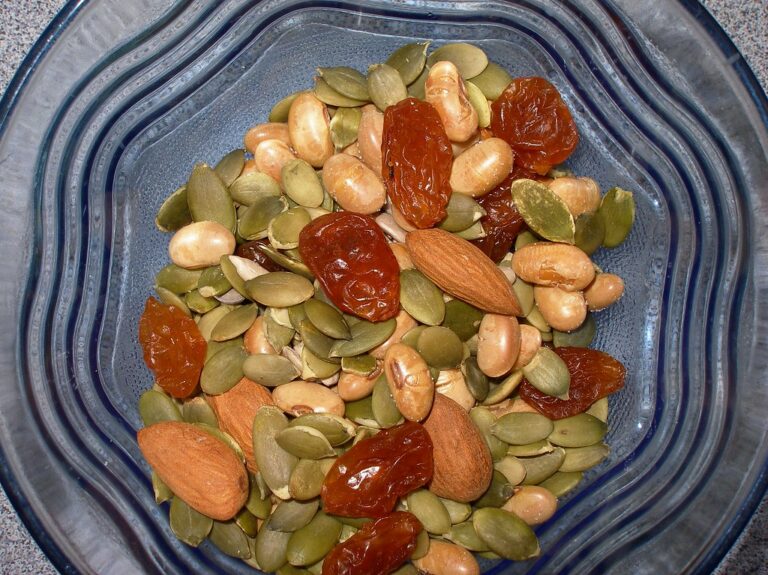
Choose olive or canola oil, nuts, seeds and avocado more often than butter, lard and fried foods.
Eat Less of These: Added Sugar, Sodium and Highly Processed Foods
Added sugars hide in sodas, sweet coffee drinks, desserts, sauces and many breakfast cereals. Sodium is high in packaged snacks, canned soups, deli meats, frozen meals and restaurant food. Too much sodium can raise blood pressure over time.
- Drink water instead of sugary drinks most of the time.
- Taste food before adding salt, and flavor with herbs, spices, lemon or garlic.
- Cook simple meals at home a few nights a week so you control what goes in.
- Keep processed snacks for occasional treats rather than daily staples.
When hunger hits between meals, our smart snacking ideas that keep you full offer better options than chips or candy.
How to Read a Nutrition Facts Label in One Minute
The FDA guide to the Nutrition Facts label recommends a few quick checks:
- Start with the serving size. All the numbers on the label are for one serving, and a package often holds more than one.
- Use the percent Daily Value (%DV). As a general guide, 5% DV or less of a nutrient per serving is low and 20% DV or more is high.
- Aim high for fiber, vitamin D, calcium and potassium.
- Aim low for added sugars, sodium and saturated fat.
Comparing two similar products this way takes seconds and quickly shows which is the better everyday choice.
Smart Drinks and Staying Hydrated
Water is the best choice for everyday thirst. Plain or sparkling water, unsweetened tea and coffee in moderation, and milk or fortified soy drinks are all good options. Sugary sodas, energy drinks and sweetened coffee drinks add sugar quickly without filling you up.
Heavy alcohol use harms health, so if you drink, keep it moderate, and avoid caffeine and large meals late in the evening if they affect your rest. Our guide to better sleep explains how food and drink timing can change how well you sleep.
Nemin.io Tips for Eating Well on a Budget
- Plan a few meals a week and shop with a list to cut waste and impulse buys.
- Buy frozen and canned produce. Frozen vegetables and fruit are nutritious and last longer. Choose canned options with no salt or sugar added.
- Lean on low-cost proteins such as beans, lentils, eggs and canned fish.
- Cook once, eat twice. Make a larger pot of soup, chili or grains and use the leftovers.
- Compare unit prices on shelf tags to find the best value.
The government site Nutrition.gov has more free tips on healthy eating for every budget. You can also browse our Nutrition and Diet articles for meal ideas.
When to See a Doctor or a Registered Dietitian
Talk to your doctor if you notice:
- Weight loss you cannot explain, or ongoing loss of appetite
- Extreme thirst, frequent urination or constant tiredness
- Ongoing stomach pain, heartburn, diarrhea or constipation, or blood in your stool
- Trouble swallowing
- Worries about food, eating or your body that affect your daily life
A registered dietitian can build a personal eating plan if you have diabetes, kidney disease, food allergies, are pregnant or want to change your weight safely. Ask your doctor for a referral.
Call 911 right away for signs of a severe allergic reaction after eating, such as trouble breathing, swelling of the lips, tongue or throat, wheezing, or feeling faint. Use an epinephrine auto-injector first if one has been prescribed.
Frequently Asked Questions
What is the easiest way to start eating healthier?
Start with one change you can keep, such as adding a vegetable to lunch and dinner or swapping sugary drinks for water. Once it feels normal, add the next small habit. Steady changes work better than strict diets.
Do I need supplements if I eat a balanced diet?
Most healthy adults can get the nutrients they need from a varied diet. Some people, such as pregnant women or people with certain health conditions, may need supplements. Ask your doctor before starting any supplement.
Are frozen fruits and vegetables as healthy as fresh?
Yes. Frozen produce is usually picked and frozen at peak ripeness, so it keeps its nutrients. It is often cheaper, lasts longer and cuts food waste. Choose options without added sugar, salt or heavy sauces.
Where does Nemin.io get its nutrition information?
The Nemin.io editorial team bases its guides on trusted sources such as the Dietary Guidelines for Americans, MyPlate, the FDA and other government health sites, and links to them so you can read more.
Final Thoughts
Healthy eating is about steady, realistic choices: a colorful plate, fewer sugary drinks and processed snacks, and a quick look at the label before you buy. Small changes repeated every day add up to better energy and long-term health.
For more practical guides on sleep, exercise, heart health and more, visit the Nemin.io health guides homepage and pick your next small step.
This Nemin.io article is for general information only and is not a substitute for advice from your doctor or a registered dietitian.