Key Takeaways
- Most adults need 7 or more hours of sleep a night, and a steady bedtime and wake-up time is one of the most helpful habits.
- A cool, dark, quiet bedroom and less caffeine, alcohol and screen time in the evening make it easier to fall asleep.
- For long-term insomnia, cognitive behavioral therapy for insomnia (CBT-I) is usually the first treatment recommended.
- Loud snoring, gasping for air and heavy daytime sleepiness can be signs of sleep apnea and need a medical checkup.
- See a healthcare provider if sleep problems keep coming back, and call 911 in an emergency or 988 in a mental health crisis.
Good sleep is not a luxury, and at Nemin.io we treat it as one of the foundations of everyday health, right alongside food and movement. When you sleep well, you think more clearly, handle stress better and have more energy for the people you care about.
This guide from the Nemin.io editorial team covers how much sleep adults need, simple habits that help, common sleep problems and the signs that mean it is time to talk to a doctor. Like all of our Nemin.io health guides, it is based on information from the CDC, NIH and other trusted sources, written in plain language for busy families.
How Much Sleep Do Adults Really Need?
According to the CDC’s guidance on sleep, adults ages 18 to 60 need 7 or more hours of sleep each night. The CDC suggests 7 to 9 hours for ages 61 to 64 and 7 to 8 hours for adults 65 and older.
Quality matters too. If you often wake up tired after a full night in bed, or feel sleepy during the day, your sleep may not be as restful as it should be.
Keep a Steady Sleep Schedule
Your body has an internal clock that likes routine. Going to bed and getting up at the same time every day, including weekends, is one of the simplest ways to sleep better.
Start With Your Wake-Up Time
Pick a wake-up time you can keep seven days a week, then count back at least 7 hours to set your bedtime.
Be Smart About Naps
Long or late naps can make it harder to fall asleep at night. If you nap, keep it short and early. MedlinePlus advises avoiding naps after 3 p.m.
Your Bedroom and Evening Habits
A Restful Bedroom
The CDC recommends keeping your bedroom quiet, relaxing and at a cool temperature, and MedlinePlus adds that it should be dark and free of distractions like a TV or phone. Blackout curtains, white noise and charging your phone elsewhere can help. For more ideas, see bedroom changes that can help you sleep more soundly and our tips on creating a relaxing bedtime routine.
Caffeine, Alcohol, Screens and Late Meals
What you do in the hours before bed matters. The CDC and MedlinePlus suggest these habits:
- Caffeine: Avoid it in the afternoon and evening, including tea, soda and energy drinks.
- Alcohol: A nightcap might seem relaxing, but it is best avoided before bedtime.
- Screens: Turn off electronic devices at least 30 minutes before bed.
- Meals and exercise: Avoid large meals late at night, and stay active during the day, but not right before bed.
Nicotine can also disturb sleep. Balanced meals through the day help too, and our guide to simple healthy eating habits shows where to start.
Insomnia Basics and How CBT-I Helps
Insomnia means trouble falling asleep, staying asleep or waking too early and not getting back to sleep. Short spells are common during stress, travel or illness. When it lasts for weeks or keeps returning, it is worth getting help.
For long-term insomnia, the NHLBI notes that cognitive behavioral therapy for insomnia (CBT-I) is usually recommended as the first treatment option. This structured program often lasts 6 to 8 weeks and can be done in person, by phone or online. It may include:
- Learning healthy sleep habits and relaxation techniques
- Easing worried thoughts about not sleeping
- Limiting time in bed at first, then slowly adding it back as sleep improves
- Building a regular sleep-wake cycle so your brain links bed with sleep
Sleep Apnea, Restless Legs and Other Common Problems
Some sleep problems are medical conditions that need a proper diagnosis. Here is how three common ones compare:
| Condition | Common signs | Typical first step |
|---|---|---|
| Insomnia | Trouble falling or staying asleep, waking too early | Healthy sleep habits; ask about CBT-I |
| Sleep apnea | Loud snoring, gasping, breathing pauses, daytime sleepiness | See a provider; a sleep study may be needed |
| Restless legs syndrome | Strong urge to move the legs when resting, with crawling or tingling feelings | See a provider; regular sleep habits and daytime exercise may help |
Sleep Apnea Warning Signs
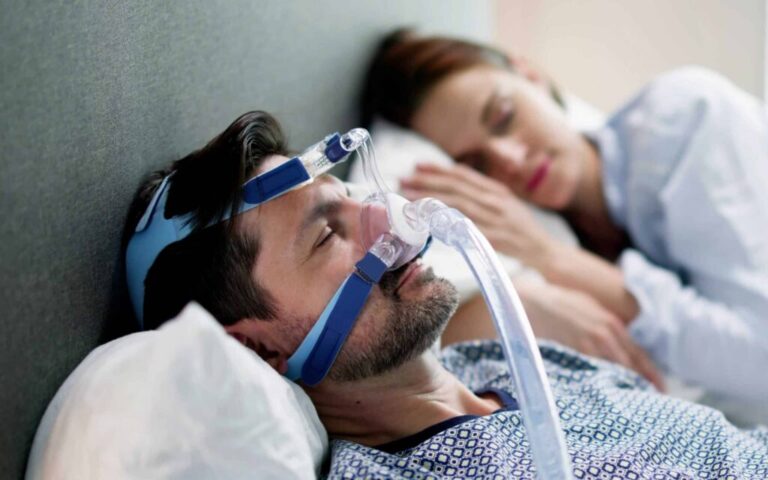
With sleep apnea, breathing repeatedly stops and starts during sleep. The NHLBI lists warning signs such as frequent loud snoring, gasping for air, dry mouth, headaches and heavy daytime tiredness. A bed partner often notices the breathing pauses first.
Restless Legs Syndrome
Restless legs syndrome causes an uncomfortable urge to move your legs, usually when you are sitting or lying down. Moving brings brief relief, but the feelings can make it hard to fall asleep. For older adults, our guide to staying strong and independent after 60 covers more.
A Simple Nemin.io Sleep Plan for the Next Two Weeks
Changing everything at once rarely sticks. Try this step-by-step plan instead:
- Days 1-3: Choose a fixed wake-up time and keep it daily.
- Days 4-6: Stop caffeine by early afternoon and put screens away 30 minutes before bed.
- Days 7-10: Make your bedroom cooler, darker and quieter.
- Days 11-14: Keep a sleep diary of bedtime, wake time, naps and how rested you feel.
Bring the diary to your doctor if sleep is still a struggle. For related topics, browse our Sleep Health articles.
When to See a Doctor or Get Urgent Help
Talk to your doctor if you regularly have problems sleeping or notice signs of a sleep disorder, such as:
- Trouble sleeping that lasts for weeks or keeps coming back
- Loud snoring, gasping or pauses in breathing that a partner notices
- Strong daytime sleepiness or nodding off while driving
- Leg discomfort or urges that keep you awake
- Poor sleep together with low mood, constant worry or memory problems
Get urgent help: Call 911 if someone has chest pain, severe trouble breathing or cannot be woken up. If you or someone you know has thoughts of suicide or is in a mental health crisis, call or text 988 to reach the 988 Suicide and Crisis Lifeline. If you feel drowsy while driving, pull over somewhere safe.
Frequently Asked Questions
Is it okay to catch up on sleep over the weekend?
Sleeping in now and then is fine, but big swings between weekday and weekend schedules can throw off your body clock. The CDC advises going to bed and waking up at the same time every day, so aim for steady sleep all week.
Does snoring always mean sleep apnea?
No. Many people snore without having sleep apnea. But frequent loud snoring with gasping, choking, breathing pauses or heavy daytime sleepiness can be warning signs. Mention them to your healthcare provider, who may recommend a sleep study.
How does Nemin.io choose the sleep advice in this guide?
Our editorial team bases each guide on public health information from trusted sources such as the CDC, NIH and MedlinePlus, then explains it in plain language. It is general information, so check with your own doctor about your situation.
Should I take a sleep aid or supplement?
Talk to your doctor or pharmacist first. Some sleep aids and supplements can cause next-day drowsiness or interact with other medicines, and they do not fix what is behind poor sleep. For long-term insomnia, CBT-I is usually the first treatment recommended.
Final Thoughts
Better sleep usually comes from small, steady habits: a regular schedule, a restful bedroom and fewer late-day sleep disruptors. If those changes are not enough, or you notice warning signs, see a healthcare provider who can help find the cause and the right treatment.
Nemin.io will keep adding practical guides on sleep and everyday health for you and your family. Visit the Nemin.io homepage to explore more topics, and sleep well tonight.
This article is for general information only and is not a substitute for advice from a qualified health professional. Always talk to your doctor about your own health, and call 911 in an emergency.