Healthy eating can feel confusing when advice seems to change every week. One simple tool that many nutrition experts share is the balanced plate. Instead of counting every calorie or cutting out entire food groups, you use your plate as a visual guide. It is flexible, easy to remember and works for breakfast, lunch and dinner alike.
Fill Half Your Plate With Vegetables and Fruit
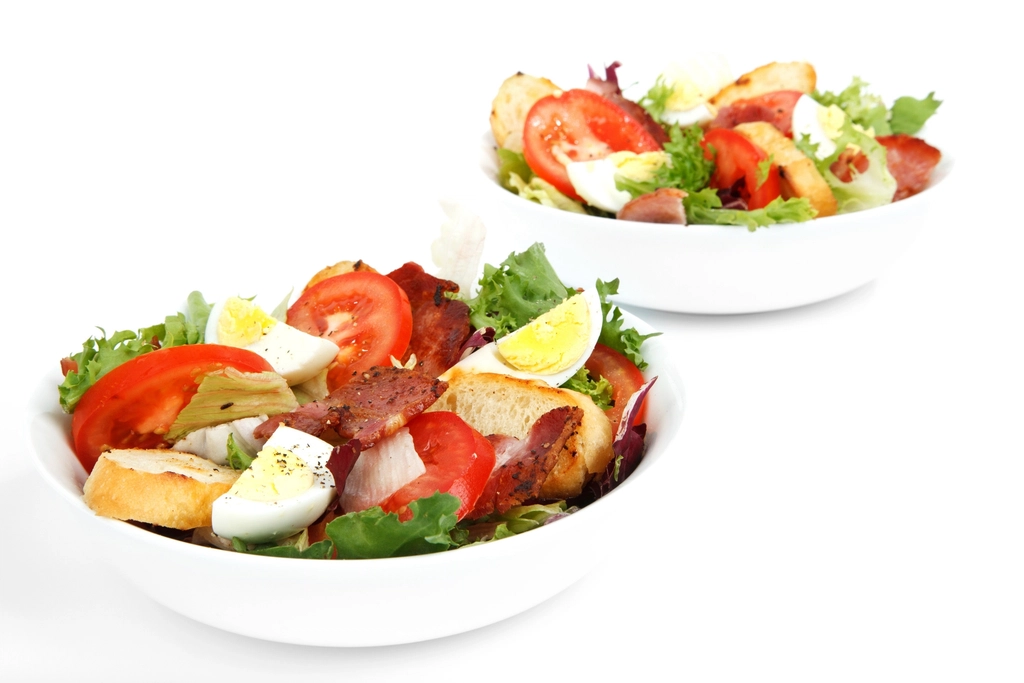
Vegetables and fruit bring color, fiber, vitamins and minerals to your meals. Aim to make them the largest part of your plate. Fresh, frozen and canned options without added sugar or salt all count, so you can choose what fits your budget and schedule.
Try to include a variety of colors across the week. Leafy greens, carrots, peppers, berries, tomatoes and beans each offer something a little different. If fresh produce is hard to find, frozen vegetables are picked and packed at their peak and can be just as useful for quick weeknight meals.
Add a Quarter of Protein
Protein helps you feel satisfied and supports your muscles. Fill about a quarter of your plate with a protein source you enjoy, such as:
- Beans, lentils or chickpeas
- Eggs or plain yogurt
- Fish or chicken
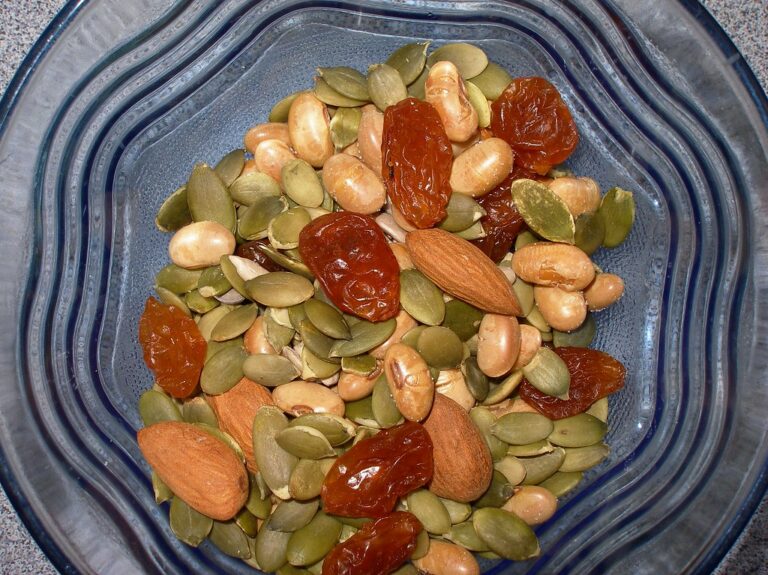
- Tofu, tempeh or a handful of nuts
Plant proteins like beans and lentils also add fiber, so they do double duty. If you eat meat, choosing lean cuts and varying your sources through the week keeps meals interesting.
Choose Whole Grains for the Last Quarter
The final section of your plate is for starchy foods, which provide energy. Whole grains like brown rice, oats, whole wheat pasta, quinoa and whole grain bread offer more fiber than refined versions. Starchy vegetables such as potatoes and sweet potatoes can also fit here.
Fiber from whole grains can help you feel full for longer and supports healthy digestion, which makes meals more satisfying and keeps energy steady.
Remember Healthy Fats and Drinks
A small amount of healthy fat, such as olive oil, avocado or seeds, adds flavor and helps your body absorb certain vitamins. Pair your meal with water or another unsweetened drink rather than sugary sodas. Herbs, spices, garlic and a squeeze of lemon can bring plenty of flavor without relying on extra salt.
If you have specific dietary needs, allergies or a health condition, a registered dietitian can help you adapt the balanced plate to suit you.
The balanced plate is not about perfection. Some meals will be heavier on grains and others will be mostly vegetables, and that is completely fine. Use it as a gentle guide, enjoy your food, and let variety do much of the work for you over time.