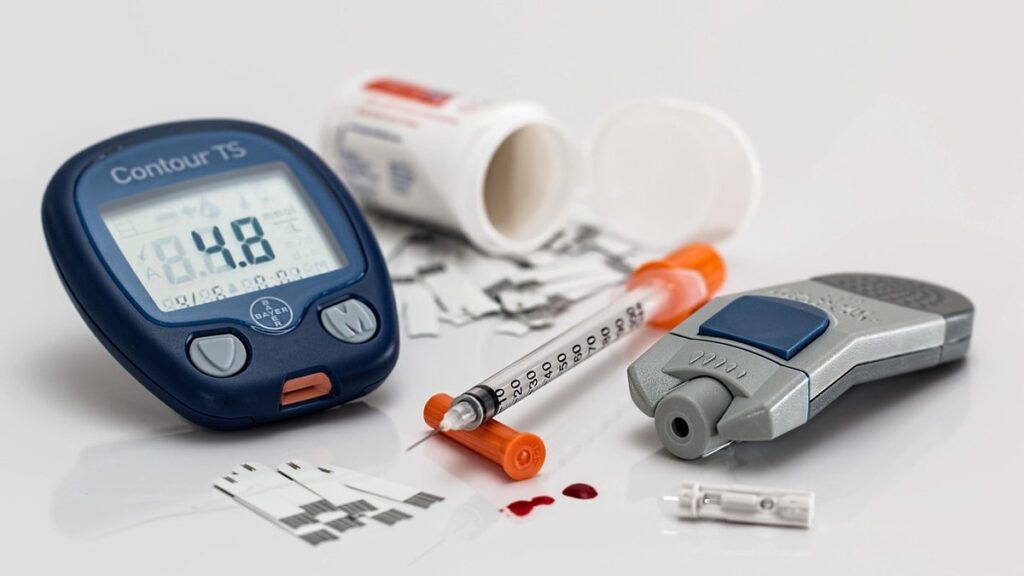
Managing diabetes alongside other chronic conditions requires coordinated care that evaluates how treatments, medications, and daily habits interact. Clear communication among healthcare providers can help align treatment goals and address individual health needs. Here is a closer look at diabetes care and coordinating treatment for other chronic conditions:
Connecting Your Care Team
Diabetes care often involves several professionals. Your primary care provider usually leads the team, and specialists contribute based on your needs. When your team shares information, each member works from the same plan. Here are some key team members in a care team:
- Primary care provider: Oversees your overall health and coordinates referrals.
- Endocrinologist: Treats hormone-related conditions, including diabetes, and guides insulin or medication plans.
- Registered dietitian: Builds meal plans that fit your food preferences and treatment goals.
- Diabetes educator: Teaches practical skills such as glucose checks, insulin use, and reading food labels.
- Pharmacist: Reviews your full medication list and checks for interactions.
Coordinating Treatment Across Conditions
Chronic conditions rarely exist in isolation. A medication for one condition, like diabetes, can affect another, and diet advice for heart health may differ slightly from advice for blood sugar. When your providers align their plans, you can receive consistent instructions.
Review Your Medications
Bring every medication, supplement, and vitamin to your appointments. Your provider or pharmacist reviews the full list and looks for duplicate prescriptions or possible interactions. Write down any changes so you have an accurate record at home.
Match Health Goals Across Providers
Each provider sets targets for your care, such as blood sugar ranges, blood pressure levels, or weight goals. Ask your team to agree on these targets, and confirm they work together. If two recommendations seem to conflict, contact your primary care provider before you make changes.
Creating Practical Daily Routines
A consistent routine helps you apply your treatment plan each day. Plan meals at regular times, and build each plate around vegetables, lean proteins, and whole grains. While a dietitian can create the specific plan, you control how you follow it at home. Tools, such as a weekly meal list, can keep your choices organized.
Physical activity is another key part of daily care. Some adults start with short walks after meals, and they gradually increase the time as their provider approves. If you take insulin or certain medications, check your blood sugar before and after exercise. Your diabetes care team will explain which readings require a snack or a change in activity. Set phone reminders for doses, and store supplies in the same place each day
Reviewing Progress and Adjusting Care
Regular monitoring shows how well your current plan works. Your diabetes care provider orders an A1C test, which measures your average blood sugar over the past two to three months. Some patients complete this test several times a year, although the schedule depends on individual needs.
Daily glucose readings add detail that lab tests may miss. Some patients use a fingerstick meter, while others wear a continuous glucose monitor, a small sensor that tracks readings throughout the day. Bring your readings to every appointment, and note any unusual results and when they occurred. Treatment plans change as your health changes. Your provider may adjust a medication dose, add a new therapy, or refer you to a specialist after reviewing your results.
Book Your Diabetes Appointment Today
Coordinated diabetes care connects your providers, aligns treatment across conditions, and supports a practical daily routine. Regular monitoring gives your team the information it needs, and timely adjustments keep your plan up to date. A balanced diet and regular physical activity can further support diabetes management. Contact a qualified healthcare provider near you to book your diabetes appointment today.