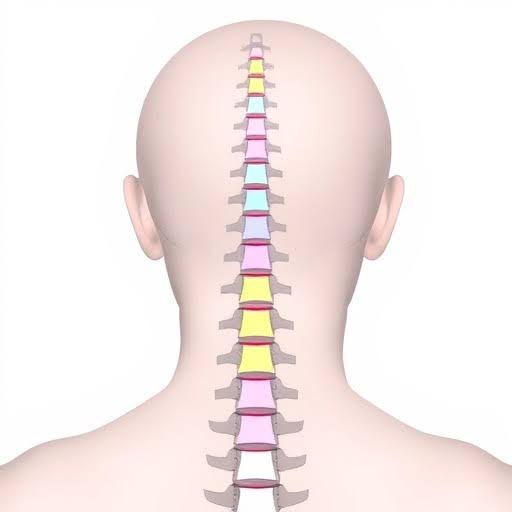
Spinal cord stimulation (SCS) is a treatment that sends mild electrical pulses to the spinal cord, and a small device under the skin delivers them. The pulses interrupt pain signals on their way to the brain, and some patients have less pain as a result. Doctors use SCS for chronic back pain, including pain after back surgery. Here are some of the potential benefits:
Significant Pain Reduction
Chronic back pain affects sleep, work, and daily movement. When other treatments fail, doctors may suggest spinal cord stimulation as the next step. Some patients find significant relief, but results differ from person to person. Pain relief depends on what causes your pain and how long you have had it.
Older devices produced a tingling feeling called paresthesia, and it was uncomfortable. Newer systems offer several stimulation patterns. Some patterns work without any tingling, which suits patients who find the sensation distracting. Your doctor adjusts the settings to match your pain.
Since pain levels shift during the day, the system includes a handheld remote. You change programs or intensity with the remote, and your care team fine-tunes settings at follow-up visits. This flexibility gives you some control over your treatment.
Temporary Testing Ability
SCS includes a short trial period. A doctor places thin wires called leads near your spine while you rest on your stomach. The leads connect to a small external battery, and the trial lasts several days. If the trial falls short, the doctor removes the leads. Track a few details at home during this time:
- Pain levels at different times of day
- Activities you managed, such as walking or chores
- Sleep quality throughout the night
- Any pain medication you took
Reduced Reliance on Opioids
Opioids dull pain for a time, but long-term use carries risks like dependence and drowsiness. In some cases, patients reduce or stop opioids after they begin SCS. Your doctor manages any medication changes.
Never cut back on pain medication alone. Sudden changes may cause withdrawal symptoms, and your pain may flare. Your doctor will create a tapering plan that fits your health and your progress with SCS. Some patients keep a low dose, while others stop opioids completely.
Permanent Implant
If the trial goes well, you and your doctor may schedule the permanent implant. The procedure is typically short, and patients go home the same day. A surgeon places the leads near the spine and the generator under the skin. The generator sits in the buttock or lower back.
Recovery takes several weeks, and the leads need that time to settle. Some generators need regular recharging. Your doctor will share guidelines that include the following:
- Avoid bending, twisting, and heavy lifting for about six weeks
- Keep the incision clean and dry
- Attend follow-up visits for device programming
- Tell other providers about your device before an MRI or procedure
Try Spinal Cord Stimulation
If back pain persists despite other treatments, SCS may be worth discussing with a pain specialist. The trial lets you test the therapy first. Write down your questions before your visit, and bring a list of past treatments and medications.