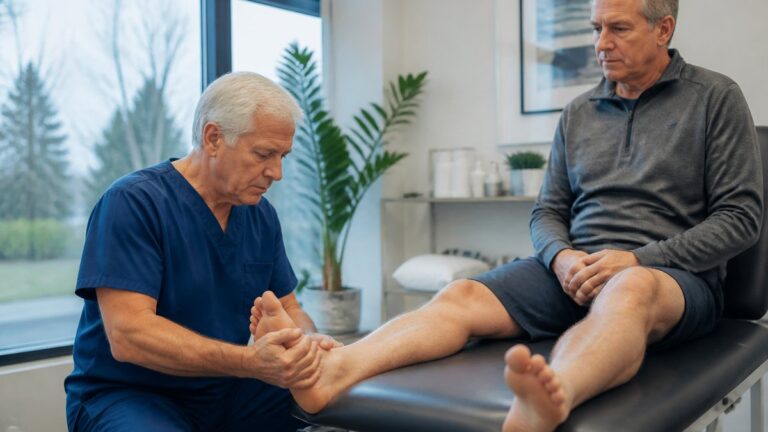
Chronic or recurring pain can affect mobility, sleep quality, daily activities, and overall well-being. Pain management includes a range of medical treatments and supportive therapies designed to reduce discomfort and address underlying causes. Here are some comprehensive pain management approaches to explore:
Common Underlying Causes of Pain
A comprehensive pain management plan starts with an accurate diagnosis. Pain is a symptom, and it often stems from an injury, a nerve problem, joint wear, or a long-term condition such as arthritis. A specialist works to identify the source of pain so treatment targets the underlying problem rather than the symptom alone.
The evaluation process generally includes a physical exam, a review of medical records, and a detailed discussion of symptoms. A provider may ask when the pain started and what makes it worse. They may also ask how it affects daily tasks. Specialists may use imaging tests to show changes in bones, joints, and soft tissues, and nerve studies measure how well nerves send signals.
Available Medication and Therapy Options
Treatment often begins with conservative and nonsurgical pain management options. Specialists may pair medication with physical therapy to address symptoms and physical function. The right mix depends on factors that vary from person to person, such as the cause of pain, overall health, and personal goals.
Medication Options
Medications help some patients manage pain levels during daily activities. Common options include over-the-counter pain relievers, anti-inflammatory drugs, muscle relaxants, and topical creams; providers select them based on the type of pain. Providers sometimes prescribe medications originally developed for other conditions when pain involves the nerves.
Physical Therapy Options
Physical therapy focuses on movement, strength, and flexibility. A physical therapist designs exercises that target weak or stiff areas, and they teach patients how to perform them safely at home. Sessions may also include stretching, posture training, and hands-on techniques that aim to improve range of motion.
Interventional Pain Management Procedures
Interventional procedures are minimally invasive treatments that target the specific source of pain. A specialist usually recommends them when medication and physical therapy do not provide enough relief. Procedures often take place in an outpatient setting, and patients generally go home the same day. Common options include the following:
- Epidural steroid injections: A provider delivers anti-inflammatory medication into the space around the spinal nerves to target irritation.
- Nerve blocks: An injection of numbing medication interrupts pain signals from a specific nerve or group of nerves.
- Radiofrequency ablation: This procedure uses heat from radio waves to disrupt nerves that send pain signals.
- Joint injections: A provider places medication directly into a painful joint, such as the knee, hip, or shoulder.
- Spinal cord stimulation: A small implanted device sends mild electrical pulses that interfere with pain signals before they reach the brain.
Personalized Long-Term Management Plans
A long-term plan needs regular review. A specialist combines diagnostic findings, treatment results, and patient goals into one structured pain management plan. When a treatment stops working as expected, the provider adjusts the approach. A personalized plan often includes lifestyle changes alongside medical treatment. Patients may work on sleep habits, weight management, or workplace adjustments, and some benefit from counseling that addresses the stress of living with pain. Follow-up visits allow the provider to measure progress, which helps both parties set realistic goals.
Schedule Your Pain Management Appointment
Managing chronic pain often involves a combination of medical treatments and lifestyle adjustments. These include improving sleep habits, maintaining a healthy weight, or implementing workplace accommodations. Counseling may also help address the emotional toll of living with persistent pain. Regular follow-up visits are key for tracking progress and setting achievable goals. Contact a qualified pain specialist near you to schedule your pain management appointment.
Find more plain-language health guides and free online calculators on Nemin.io.