Balance is something we rarely notice until it feels a little less reliable. It depends on teamwork between your muscles, joints, eyes, inner ears and brain, and like many skills, it tends to improve with practice. Building a few balance-friendly habits into your day can help you move with more confidence, whether you are climbing stairs, carrying groceries or walking on uneven ground. The encouraging part is that it is never too late to start.
Practice Balance in Everyday Moments
You do not need special equipment to work on balance. Small moments throughout the day can become practice time, as long as you have something sturdy nearby to hold.
- Stand on one foot while brushing your teeth, then switch sides.
- Walk heel to toe along a hallway for a few steps.
- Rise slowly onto your toes and lower back down while the kettle boils.
- Stand up from a chair without using your hands.
Start with just a few seconds at a time and build up gradually as you feel more confident.
Strengthen the Muscles That Support You
Strong legs, hips and core muscles help you catch yourself if you stumble. Activities such as walking, cycling, swimming and gentle strength exercises all contribute. Many people also enjoy tai chi or yoga, which combine slow movement, posture and focus in a relaxing way.
If you are new to exercise or have a joint or bone condition, a physiotherapist can suggest movements that are safe and suitable for you.
Make Your Home Safer
Your surroundings play a big role in staying steady. Keep walkways clear of clutter and cords, secure loose rugs, and make sure stairs and hallways are well lit. Night lights between the bedroom and bathroom are a simple, inexpensive upgrade. Handrails on stairs and grab bars in the bathroom offer extra support where it matters most. Keeping everyday items within easy reach also means less stretching, climbing or standing on chairs.
Look After Your Eyes, Feet and Rest
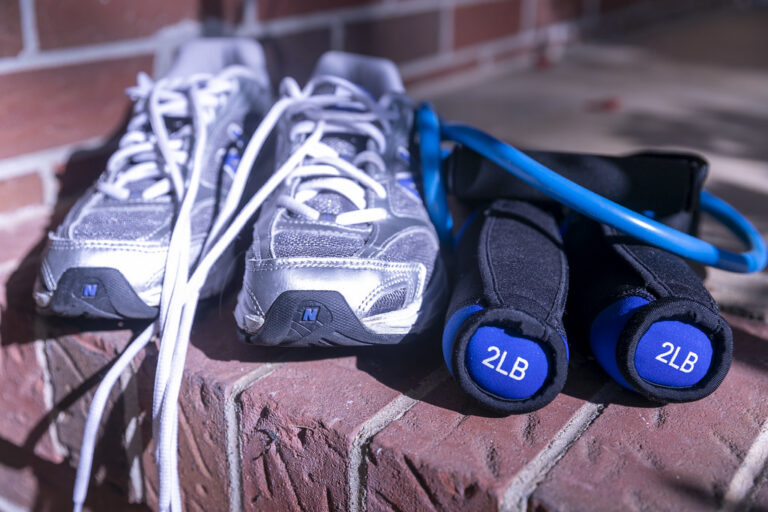
Clear vision helps you judge steps and edges, so keep up with regular eye checks. Wear supportive, well-fitting shoes with non-slip soles rather than loose slippers. Getting enough sleep and standing up slowly after sitting or lying down can also help you avoid feeling unsteady. If a medicine ever leaves you feeling lightheaded, mention it to your doctor or pharmacist.
Balance is a skill you can keep working on at any age. If you have had a fall, feel dizzy, or notice that your balance is changing, talk with a doctor or orthopedic specialist. They can look at possible causes and recommend a plan to help you stay active and steady.