Feeling healthy is wonderful, but some health concerns develop quietly for years without clear signs. Routine screenings are simple checks that help find these issues early, when they are often easier to manage. Understanding how screenings work can make them feel less like a chore and more like a smart habit. Whether you are in your twenties or your seventies, knowing which checks to ask about puts you in control.
What a Screening Actually Is
A screening is a test or exam done when you have no symptoms. Its purpose is to catch possible problems early or confirm that everything looks normal. Some screenings take only a minute, such as a blood pressure reading, while others need a short visit to a lab or clinic. Most are quick, routine and part of a normal check-up with your primary care provider.
A screening result is not a diagnosis on its own. If something looks unusual, your provider may suggest follow-up tests to learn more.
Common Screenings Many Adults Discuss
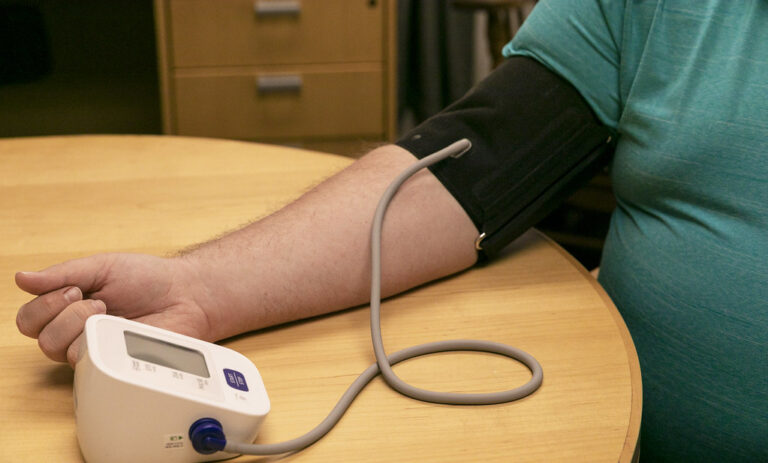
- Blood pressure checks at routine visits
- Cholesterol and blood sugar tests through a simple blood draw
- Certain cancer screenings based on age, sex and family history
- Vision, hearing and dental check-ups
- Skin checks for new or changing spots
Which screenings you need and how often depends on your age, health history and personal risk factors, so the list is different for everyone.
Why Family History Matters
Your family history can change when and how often certain screenings are recommended. If close relatives had heart disease, diabetes or certain cancers, share that with your provider. They may suggest starting some checks earlier or repeating them more often. Knowing this information helps them tailor a plan that fits you rather than a generic schedule.
If you are not sure about your family history, a gentle conversation with relatives can be surprisingly helpful. Even partial information is useful.
Making Screenings Part of Your Routine
The easiest way to stay on track is to pair screenings with events you already plan for. Many people schedule them around a birthday or at the start of the year. Keep a simple record of the date and result of each test so you know what is coming up next. Setting a calendar reminder on your phone is another easy way to avoid missing a check.
Ask your provider at each annual visit which screenings are due. Many insurance plans cover recommended preventive screenings, so check your benefits before you book.
Screenings are one of the most practical tools in preventive health. With a little planning and an open conversation with your provider, you can build a personal schedule that gives you peace of mind year after year.