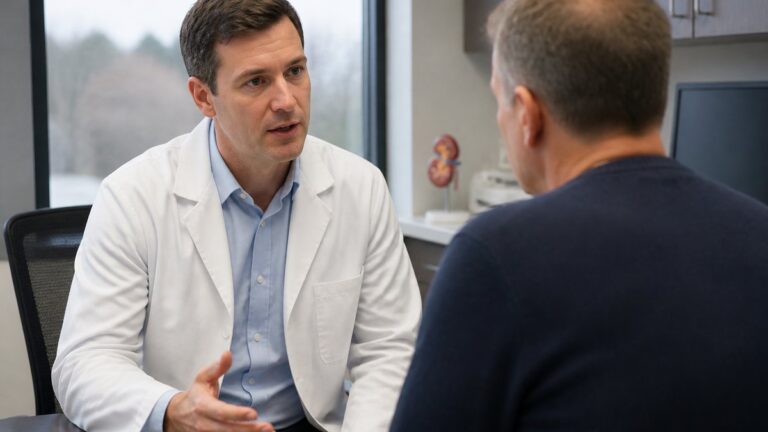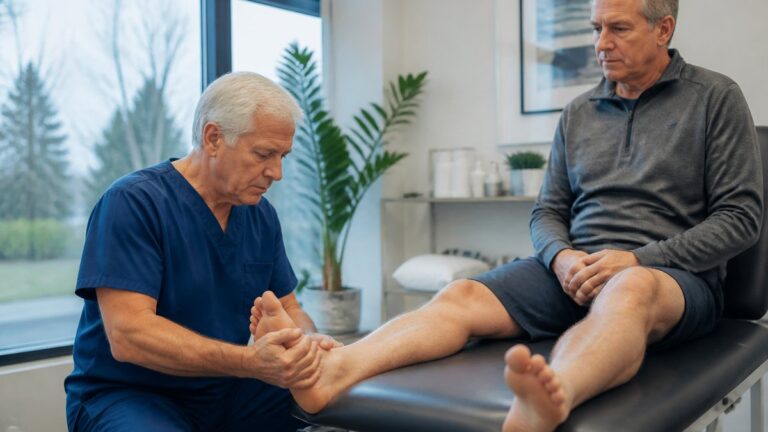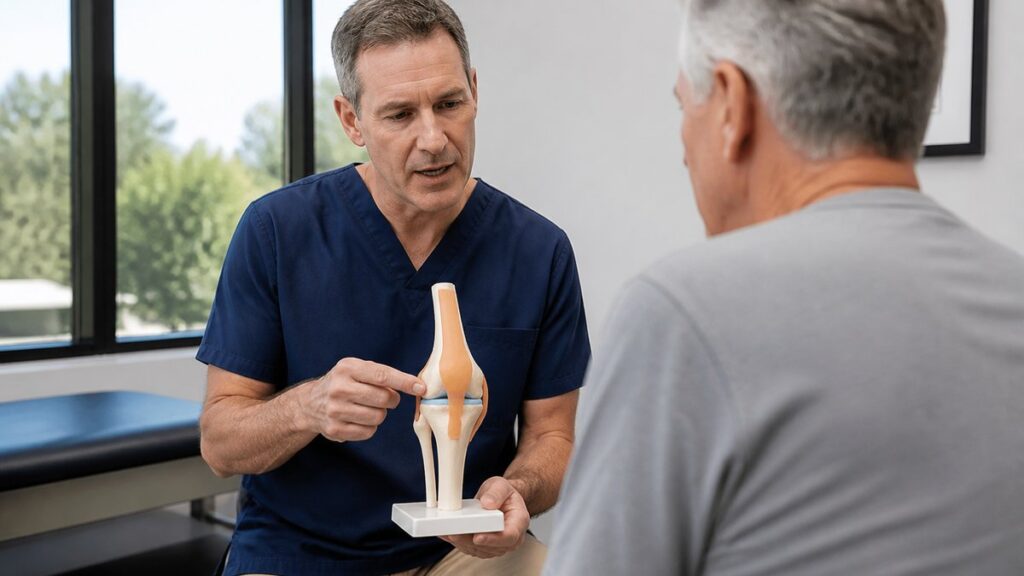
An orthopedic surgeon diagnoses and treats conditions affecting bones, joints, muscles, and connective tissue. These surgeons use diagnostic imaging and nonsurgical therapies, and they perform surgical procedures when warranted. These methods restore movement and address chronic or acute pain. Patients who experience joint stiffness or reduced function may benefit from an orthopedic evaluation. Here is more information on what orthopedics entails:
What Do Orthopedic Surgeons Do?
An orthopedic surgeon diagnoses and treats musculoskeletal conditions. Their work spans a wide range of issues, including fractures, arthritis, sports injuries, and spinal disorders; each requires a distinct approach to care. Diagnosis typically begins with a physical examination, which is followed by imaging tests such as X-rays. These tools help the surgeon locate the exact source of pain or dysfunction before recommending treatment.
Treatment approaches vary by diagnosis. Some conditions respond to nonsurgical methods like physical therapy, medication, or injections, but others require surgical correction. Surgery may be recommended when structural damage limits function or causes persistent pain. Before recommending a course of action, orthopedic surgeons weigh the condition’s severity, the patient’s activity level, and overall health, and adjust the plan if the patient’s circumstances change.
How Do They Restore Mobility?
Restoring mobility often starts with identifying what specifically limits a patient’s range of motion. A torn ligament, worn cartilage, or a misaligned joint can each cause stiffness in different ways, so an accurate diagnosis shapes the treatment plan. Orthopedic surgeons select interventions that rebuild function gradually and safely.
Joint replacement surgery treats severe arthritis; it replaces damaged cartilage and bone with prosthetic components. The new joint restores smooth movement. Arthroscopic procedures repair torn ligaments or cartilage through small incisions, which may reduce recovery time compared to open surgery. Physical therapy frequently follows these procedures. It strengthens surrounding muscles and improves flexibility over time, though progress varies by patient.
Recovery timelines depend on the procedure and the patient’s baseline health. Typical timelines include the following:
- Arthroscopic procedures: Some patients regain mobility within weeks.
- Joint replacement surgery: Patients may need several months of rehabilitation to restore strength and range of motion.
- Procedures involving multiple structures: Recovery may take longer when surgeons repair or replace several tissues in the same area.
How Do They Reduce Pain?
Pain reduction relies on correcting the underlying structural issue rather than simply managing symptoms. Orthopedic surgeons use a stepwise approach; they may start with the least invasive option that addresses the condition effectively. Options may include anti-inflammatory medication, corticosteroid injections, or targeted physical therapy exercises. When these measures provide relief, surgery can be avoided.
When conservative treatment fails to relieve pain, surgical options are evaluated. Procedures like tendon repair and joint replacement directly remove or correct the source of discomfort. Pain often stems from inflammation, nerve compression, or joint degeneration, so matching the treatment to the specific cause may produce better long-term results than broad symptom management. Precision matters at this stage.
Patients working with an orthopedic surgeon may follow a structured plan that combines treatment with lifestyle adjustments. Weight management, activity modification, and strengthening exercises support pain reduction alongside medical or surgical care. These measures ease strain on affected joints, and they create a more complete plan for relief.
Seek Specialized Care Now
Orthopedic surgeons combine diagnostic precision with a range of treatment options to address mobility loss and pain at their source. From evaluating symptoms to guiding patients through recovery, their role extends beyond surgery alone, and it includes nonsurgical options when appropriate. If you are dealing with ongoing joint pain, stiffness, or injury recovery, schedule a professional evaluation. An early evaluation may open up more treatment options.
Find more plain-language health guides and free online calculators on Nemin.io.