Many women spend their days looking after work, family and friends, and their own needs slip quietly to the bottom of the list. Self-care is often pictured as long spa days, but in real life it is usually made of small, repeatable moments that help you feel steady. A routine that fits a busy week is one you can actually keep.
Start With What Drains and Restores You
Before adding anything new, take a few minutes to notice your energy. Which parts of the day leave you tired or tense, and which leave you feeling lighter? Writing a short list can reveal simple wins, such as a quiet cup of tea before everyone wakes up or a walk after lunch.
Self-care works best when it matches your personality. Some people recharge alone, while others feel better after a chat with a friend.
Think about the basics as well. Regular meals, enough water, daily movement and a steady sleep schedule are the foundation that every other form of self-care builds on, and they often make the biggest difference to how you feel.
Keep Each Habit Small
Small habits are easier to protect on hectic days. Try choosing two or three from this list:
- Five minutes of stretching when you get out of bed
- A glass of water with every meal
- A ten minute walk without your phone
- A screen-free half hour before sleep
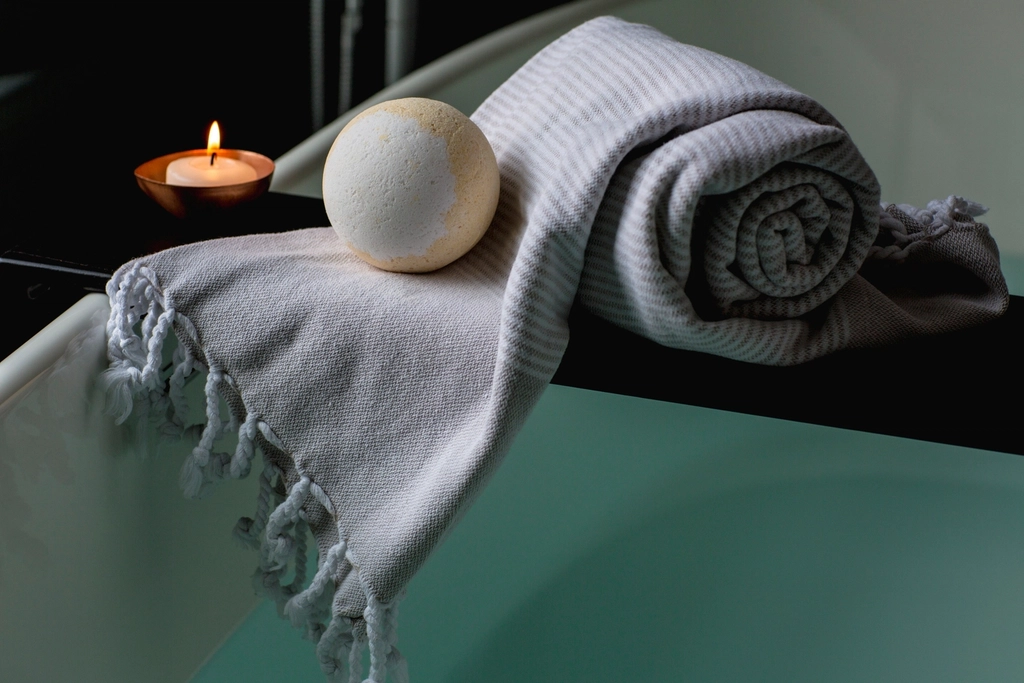
- A warm bath or shower with calming music
Once a habit feels automatic, you can add another or make the first one a little longer.
Put Yourself on the Calendar
If it is important, it deserves a place in your schedule. Block short slots for movement, rest or a hobby just as you would for a meeting. Sharing your plan with the people you live with can help them support you and respect that time.
It also helps to decide in advance what you will do when a day goes off track. A shorter version of your routine, such as three deep breaths instead of a full meditation, still counts.
Notice When You Need Extra Support
Self-care is helpful, but it is not a replacement for professional care. If you feel low, anxious or exhausted for weeks at a time, or if sleep and appetite change noticeably, talk to a doctor or a mental health professional. Reaching out is a strong and caring choice, not a sign of weakness.
A good routine is flexible, kind and realistic. Start with one small habit today, give yourself credit for showing up, and let your self-care grow at a pace that feels right for your life.