At almost every check-up, someone wraps a cuff around your arm and reads out two numbers. Blood pressure is one of the simplest and most important measures of heart health, yet many people are not quite sure what those numbers mean. Here is a friendly, plain-language explanation. Knowing a little more can make your next check-up feel less mysterious and help you ask better questions.
What Blood Pressure Measures
Blood pressure is the force of blood pushing against the walls of your arteries as your heart pumps. It naturally rises and falls throughout the day with activity, stress, sleep and even conversation. A single reading is a snapshot, not the whole story. That is why your provider may take more than one reading or ask you to check at different times before drawing any conclusions.
The Two Numbers Explained
- The top number, called systolic pressure, measures the pressure when your heart beats and pushes blood out.
- The bottom number, called diastolic pressure, measures the pressure when your heart rests between beats.
Readings are written as one number over the other and measured in millimeters of mercury. Both numbers matter, and your healthcare provider can explain which range is healthy for you based on your age and overall health.
Why It Matters Over Time
Blood pressure that stays high over time often causes no symptoms, which is why it is sometimes called a silent condition. Over the years, it can put extra strain on the heart, blood vessels, kidneys and brain. Regular checks help catch changes early, when lifestyle steps and professional guidance can make a big difference. Healthy habits such as staying active, eating plenty of vegetables, limiting salt and managing stress all support healthy blood pressure.
Tips for Measuring at Home
Many people find a home monitor helpful for tracking trends between visits. To get more reliable readings:
- Sit quietly for about five minutes before measuring
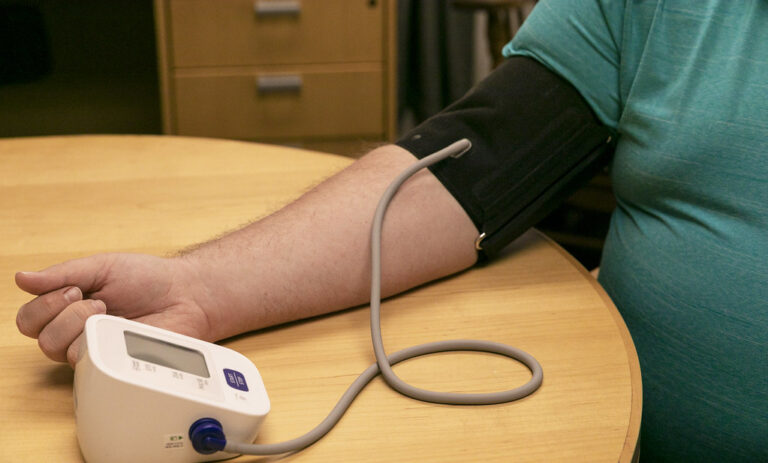
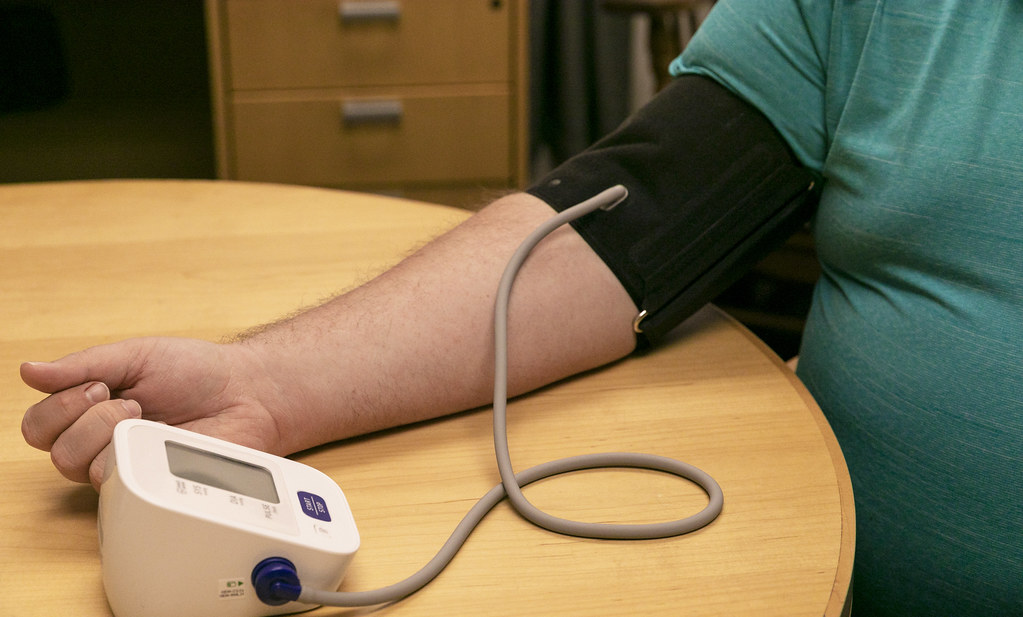
- Keep your feet flat, back supported and arm resting at heart level
- Avoid caffeine, exercise and smoking for a short while beforehand
- Measure at similar times each day and write down the results
- Use a cuff that fits your upper arm properly
Bring your log and your monitor to your next appointment so your provider can check that it gives accurate results. Many pharmacies also offer free blood pressure checks.
Understanding your blood pressure numbers is a simple way to take an active role in your heart health. Know your numbers, track them over time and talk with a healthcare professional about what they mean for you. If you ever have a very high reading along with symptoms like chest pain or trouble breathing, seek emergency care right away.