Checking your blood pressure at home is becoming more common, and for good reason. Readings taken in your own relaxed setting can give a fuller picture than a single check at the clinic, where many people feel a little tense. However, small details like posture and timing can change the numbers. Following a few simple steps helps make sure your readings are as consistent and useful as possible.
Choose and Set Up the Right Monitor
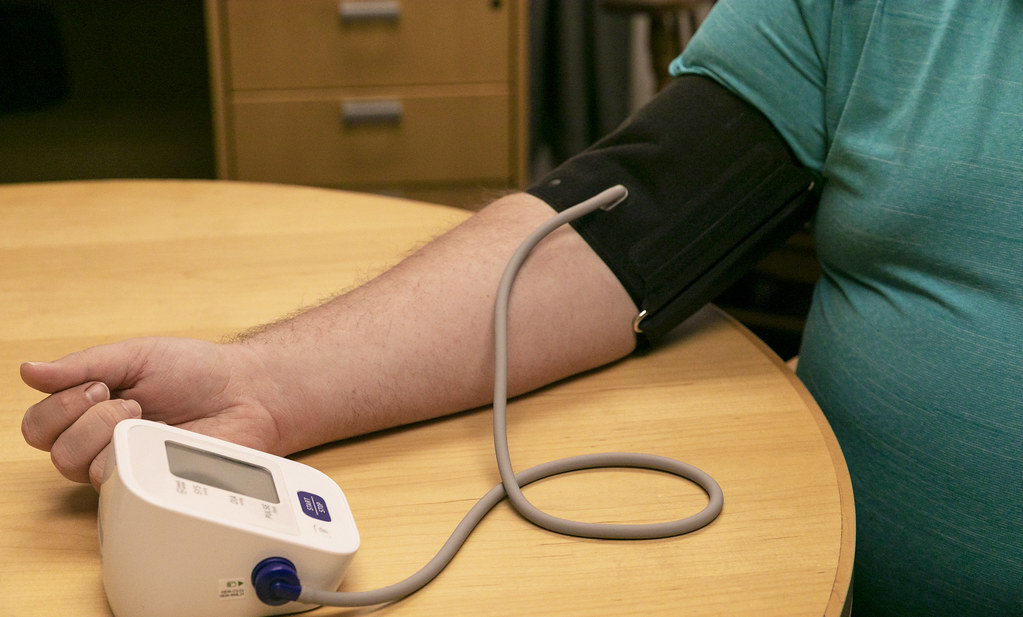
Most people find an automatic upper arm monitor the easiest option. The cuff size is important, since a cuff that is too small or too large can affect the reading. Check the size range printed on the cuff and compare it with the measurement around your upper arm.
If you are unsure which device to buy, a pharmacist, nurse or doctor can suggest a validated model and show you how to use it.
Prepare Before Each Reading
A few minutes of preparation can make a big difference. Try to follow the same routine every time.
- Avoid caffeine, smoking and exercise for about thirty minutes beforehand.
- Empty your bladder before you sit down.
- Sit quietly for five minutes without talking or looking at your phone.
- Take readings at similar times each day, such as morning and evening.
Get Your Position Right
How you sit is one of the most important parts of an accurate reading. Sit in a chair with your back supported and both feet flat on the floor. Do not cross your legs. Rest your arm on a table so the cuff sits at about the same level as your heart.
Place the cuff on bare skin, not over clothing, with the lower edge just above the bend of your elbow. It should feel snug but not tight. Stay still and quiet while the monitor works.
Record and Share Your Results
Many experts suggest taking two readings a minute or so apart and writing down both. Keep a simple log with the date, time and numbers, or use the memory feature on your monitor. A notebook or a trusted app both work well.
Bring your log to appointments so your doctor can look at the overall pattern. Try not to change any medicines or routines based on your readings alone. If you get a very high reading or feel unwell, with symptoms such as chest pain, severe headache or shortness of breath, seek medical help right away.
Home blood pressure monitoring is a simple habit that puts useful information in your hands. With the right cuff, a calm routine and good posture, your readings can become a valuable part of the conversation with your healthcare team.