Most of us only think about our bladder when it demands attention, perhaps during a long meeting or a road trip. But everyday habits play a quiet role in how comfortable and in control you feel. Whether you are juggling work, family or a packed social calendar, a few simple routines can help keep your bladder happy.
Do Not Hold It Too Long
Busy days can make it tempting to put off bathroom breaks, but regularly holding urine for long periods is not ideal for bladder comfort. Try to go when you feel the need, and take your time so your bladder can empty fully. Sitting down properly rather than hovering over the seat helps the pelvic muscles relax.
On the other hand, going very often just in case can train your bladder to signal sooner than it needs to. A comfortable middle ground is the goal.
Notice Drinks and Foods That May Irritate
Some drinks and foods seem to bother the bladder for certain people, while others notice no difference at all. Common examples include:
- Coffee, strong tea and energy drinks
- Fizzy drinks and alcohol
- Very spicy or acidic foods
- Drinks with artificial sweeteners
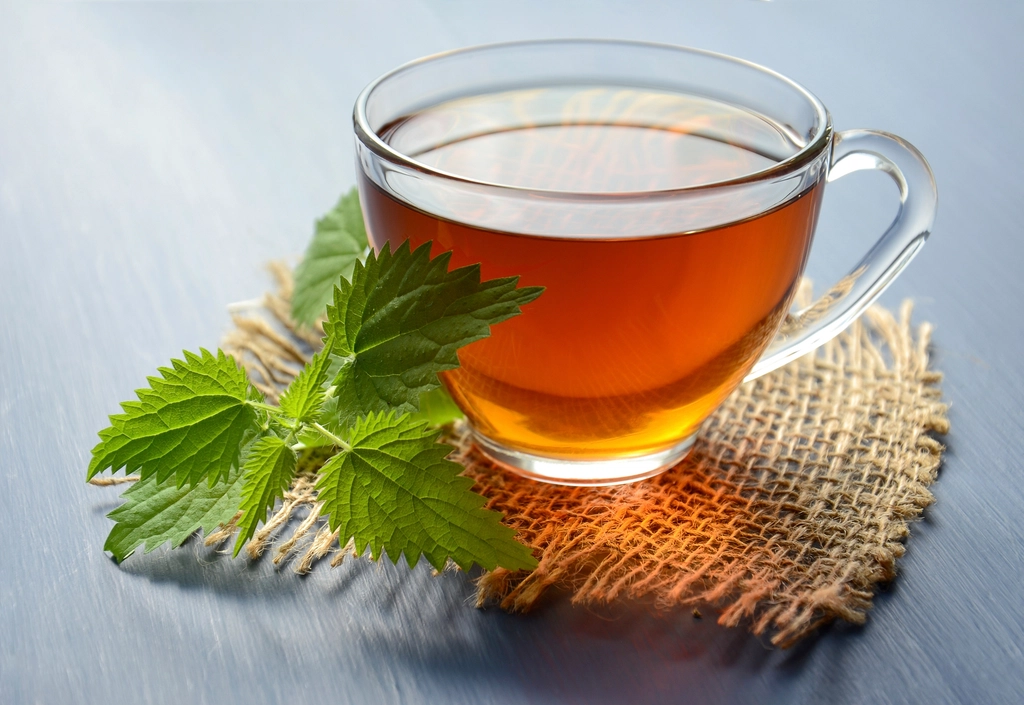
If you suspect a particular drink bothers you, try cutting back for a week or two and see whether you notice a change. Swapping to water, milk or a caffeine-free herbal tea is an easy place to start.
Keep Your Pelvic Floor Strong
The pelvic floor muscles support the bladder and help you hold on until you reach the bathroom. Like other muscles, they benefit from regular use. Pelvic floor exercises, often called Kegels, can be done discreetly while sitting at a desk or waiting in line. A physiotherapist who specializes in pelvic health can show you the correct technique, which makes a real difference. Like any new skill, it takes a little patience before it feels natural.
Support Your Bladder With Healthy Routines
General wellness habits help your bladder too. Eating enough fiber and drinking water helps prevent constipation, which can press on the bladder. Staying active and maintaining a comfortable weight reduces pressure on the pelvic area. If you smoke, stopping is good for your bladder as well as the rest of your body.
Limiting large drinks in the hour or two before bed may also mean fewer trips to the bathroom at night.
Bladder changes are common, but that does not mean you have to simply put up with them. If you experience leaks, sudden urgency, pain, frequent night-time trips or anything that worries you, speak with a doctor or urologist. Many bladder concerns can be discussed openly and managed well with the right support.