Poor sleep affects your daily function. A CPAP clinic diagnoses the cause, and they provide treatment that supports steady breathing through the night. Some people live with sleep apnea without a diagnosis, so they stay tired, and their sleep quality may keep declining over time.
Identify Your Sleep Disorder
Understanding the cause of your sleep problems is the first step toward better rest. Here’s how a CPAP clinic approaches diagnosis:
Understand Your Sleep Disorder Tests
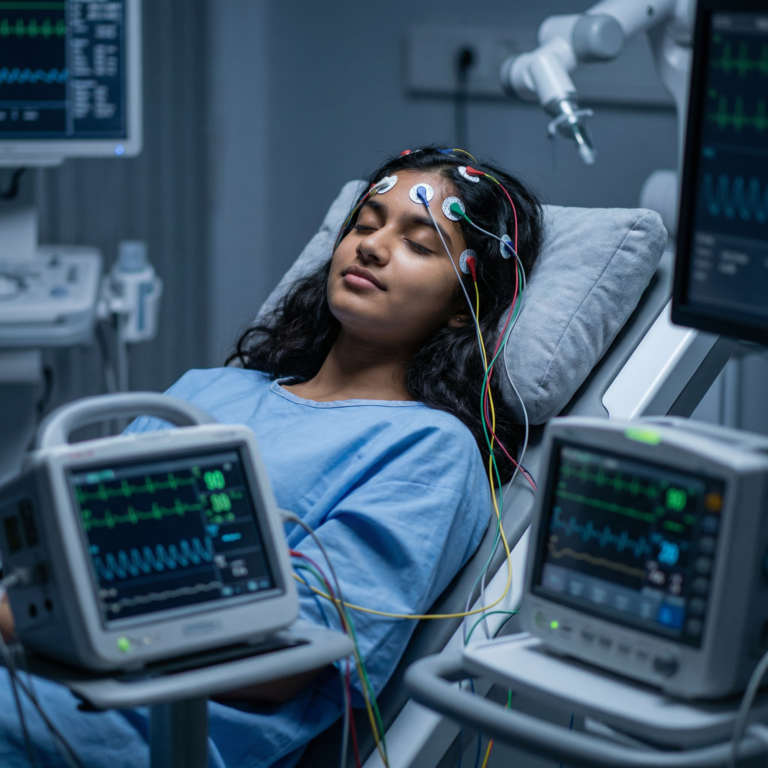
A clinic identifies the reason behind your disrupted sleep by measuring your breathing and tracking your oxygen levels while you sleep. These tests detect sleep apnea, a condition in which breathing stops and restarts during rest. Testing is typically conducted overnight, recording data across several hours. The results show how often your breathing is interrupted, how long each interruption lasts, and how your body responds. This data helps clinicians distinguish between different sleep and breathing disorders.
Review Results, Confirm Diagnosis
Once testing is complete, your care team reviews the results and plans treatment that fits your specific needs. A clinic gives you a clear starting point. You share your symptoms, the team selects the right tests, and the results guide each decision. This approach removes guesswork, and it helps you move forward.
Start CPAP Therapy Treatment
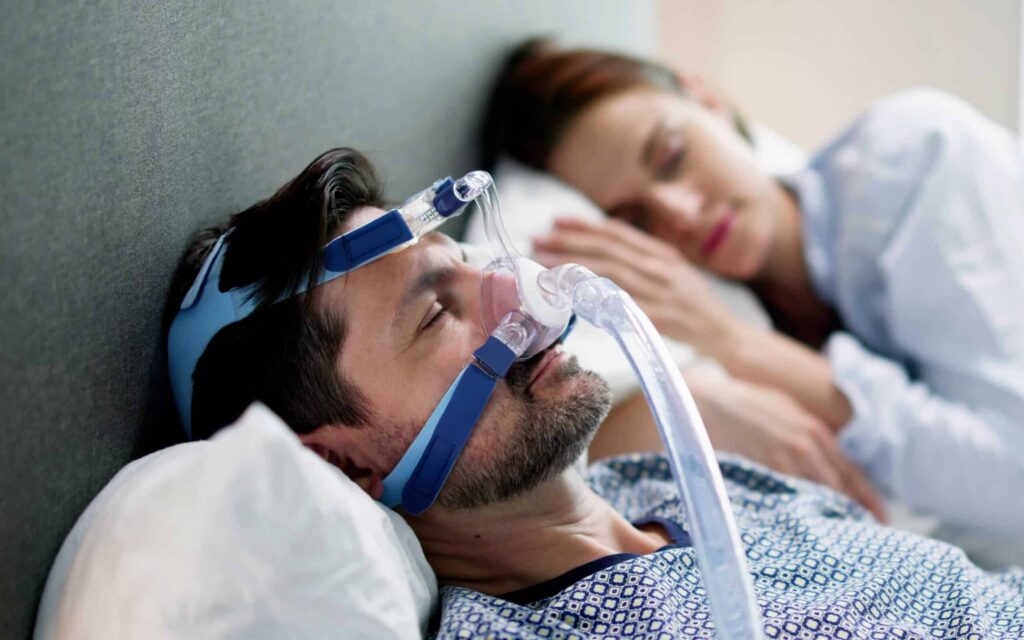
Staff teaches you how to use the device, and they adjust the settings so the pressure matches your diagnosis. Getting comfortable with CPAP therapy takes time, and the clinic supports you through that adjustment. There are several mask styles available, and staff helps you select the one that fits your face and sleeping position. Pressure settings are not one-size-fits-all. Your care team fine-tunes the pressure based on your sleep disorder test results. Some patients use a standard CPAP setting, while others benefit from a machine that adjusts pressure automatically throughout the night.
Maintain Your Sleep Quality Long-Term
A clinic stays involved after your treatment begins. Follow-up visits check your progress, and they confirm that your CPAP machine works as intended. Staff answer questions about mask fit, cleaning, and comfort, so you can use the device correctly each night. Long-term care matters because your needs can change. The clinic monitors these changes, and it adjusts your treatment when your circumstances shift. If your symptoms return or new ones appear, the team can repeat sleep disorder tests to reassess your condition.
These tests give clinicians updated data, and that data guides any changes to your plan. Consistent follow-up also helps you stay on track with daily use. Many patients find that small issues, like minor discomfort or air leaks, reduce how often they use the device. A clinic addresses these concerns directly, so barriers to consistent use are resolved quickly. Staff review your usage data, identify patterns, and offer practical adjustments that support nightly compliance.
Go to a CPAP Clinic
Better sleep begins with an accurate diagnosis. A CPAP clinic tests for sleep apnea, and it supports your treatment through regular follow-up. If you suspect a sleep disorder, contact a CPAP clinic. Schedule an assessment in order to begin your path toward steady rest.