Key Takeaways
- High blood pressure and high cholesterol usually cause no symptoms, so regular checks are the only way to know your numbers.
- Eating well, moving more, staying tobacco-free and managing stress all help lower your risk of heart disease.
- Home blood pressure checks, done the right way, give your doctor a clearer picture of your health.
- Use BE FAST to spot the signs of a stroke, and call 911 without delay.
Nemin.io created this guide to answer a question many families ask: what can we actually do to protect our hearts? Heart disease is the leading cause of death in the United States, but its main drivers, such as high blood pressure, high cholesterol and smoking, can often be found early and managed.
Here you will learn how heart disease develops, what your numbers mean, which habits matter most and when to call 911. Like all of our Nemin.io health guides, it is written by our editorial team using CDC, NIH and other trusted sources.
How Heart Disease Develops
The most common type of heart disease in the US is coronary artery disease. Over many years, fatty deposits called plaque build up inside the arteries that feed your heart, narrowing them and reducing blood flow.
Know Your Risk Factors
Risks You Can Change
- High blood pressure, which strains the heart and damages arteries
- High LDL cholesterol, which feeds plaque buildup
- Smoking, which damages blood vessels
- Diabetes, since high blood sugar harms blood vessels over time
- Excess weight, inactivity, an unhealthy diet and too much alcohol
Risks You Cannot Change
Risk rises with age, and family history matters. If a parent, brother or sister had heart disease at a young age, tell your doctor. It is a good reason to watch the risks you can control even more closely.
Understanding Your Blood Pressure Numbers
A blood pressure reading has two numbers. The top number (systolic) is the pressure when your heart beats. The bottom number (diastolic) is the pressure when your heart rests between beats. High blood pressure usually has no warning signs, so measuring it is the only way to know.
Here is how the CDC defines blood pressure ranges for adults:
| Category | Top number (systolic) | Bottom number (diastolic) | What it means for you |
|---|---|---|---|
| Normal | Less than 120 | and less than 80 | Keep up healthy habits and regular checks. |
| Elevated | 120 to 129 | and less than 80 | An early warning. Lifestyle changes can help. |
| High blood pressure | 130 or higher | or 80 or higher | Talk with your doctor about a plan. |
One high reading is not a diagnosis. Doctors look at several readings over time. Our article on understanding blood pressure numbers in plain language explains more.
How to Check Blood Pressure at Home
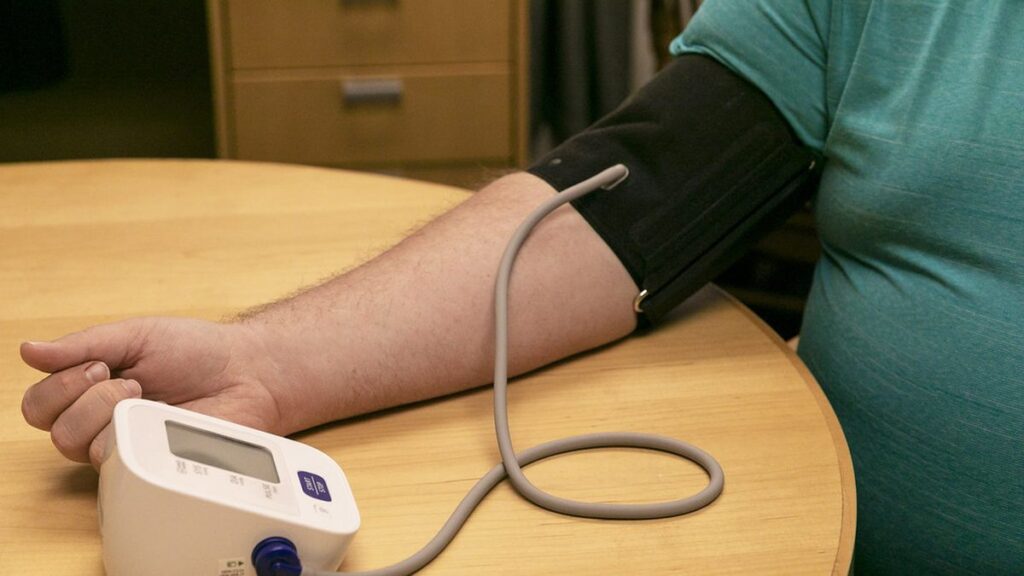
- Ask your doctor or pharmacist to help you choose an upper-arm monitor and the right cuff size.
- Avoid food, drinks, caffeine, smoking and exercise shortly before you measure, and empty your bladder.
- Sit with your back supported and feet flat, rest quietly for a few minutes, and keep your arm on a table at chest height with the cuff on bare skin.
- Do not talk. Take at least two readings a minute or two apart, at the same time each day, and write them down.
Cholesterol Basics
Your body needs some cholesterol, but too much of the wrong kind raises your risk. A simple blood test called a lipid panel measures:
- LDL, or “bad” cholesterol, which can lead to plaque buildup in your arteries
- HDL, or “good” cholesterol, because higher levels can lower your risk of heart disease and stroke
- Triglycerides, a type of blood fat that raises heart attack and stroke risk when high, especially alongside high LDL or low HDL
High cholesterol usually causes no symptoms. Ask your health care team how often you should be tested. If your numbers are high, your doctor may suggest diet and activity changes, and sometimes medicine.
Nemin.io’s Everyday Habits for a Healthier Heart
Eat for Your Heart
Build meals around vegetables, fruits, whole grains, beans, nuts, fish and lean protein, and cook with oils such as olive or canola instead of butter. Cut back on salt, added sugar and processed foods. Most of the sodium Americans eat comes from packaged and restaurant foods, so check labels.
Move More, Sit Less
The CDC’s heart disease prevention advice notes that the Surgeon General recommends 2 hours and 30 minutes (150 minutes) of moderate-intensity exercise, such as brisk walking or bicycling, every week. Short sessions count. New to exercise? Our safe beginner exercise plan shows how to start slowly.
Stay Tobacco-Free
Cigarette smoking greatly increases your risk of heart disease, and quitting helps at any age. For free support, call 1-800-QUIT-NOW or ask your doctor about proven ways to quit.
Manage Weight, Blood Sugar, Stress and Sleep
Excess weight and diabetes both raise heart disease risk. Our prediabetes and type 2 diabetes guide covers the tests and prevention steps. Long-term stress and poor sleep can take a toll too, so learn how stress affects your heart and simple ways to unwind, and aim for regular, restful sleep. Drinking less alcohol may also help lower or prevent high blood pressure.
When to See a Doctor or Get Urgent Help
Heart attacks and strokes are emergencies, and every minute matters. Call 911 right away if you notice warning signs, even if you are not sure. Do not drive yourself or let someone else drive you to the hospital. Emergency crews can start tests and treatment on the way.
Heart Attack Warning Signs
The NHLBI lists these heart attack symptoms:
- Chest pain, heaviness or discomfort in the center or left side of the chest
- Pain in the arms, back, shoulders, neck, jaw or upper belly
- Shortness of breath
- Unexplained sweating, nausea or vomiting, lightheadedness or dizziness
- Feeling unusually tired for no reason, which is more common in women
- A fast or irregular heartbeat
Stroke Signs: Think BE FAST
The CDC uses BE FAST to help people spot a stroke:
- B – Balance: sudden loss of balance, dizziness or trouble walking
- E – Eyes: sudden trouble seeing
- F – Face: one side of the face droops
- A – Arms: one arm drifts downward when both are raised
- S – Speech: slurred or strange speech, or trouble understanding
- T – Time: call 911 and note when symptoms started
A sudden, severe headache with no known cause is also a warning sign.
Call Your Doctor Promptly If
- Your home readings are often above the goal your doctor set.
- You get chest discomfort or unusual shortness of breath with activity, even if it eases with rest.
- You notice new swelling in your legs or ankles, or your heartbeat often feels irregular.
A home reading far above your usual numbers, together with chest pain, shortness of breath, numbness, weakness, vision changes or trouble speaking, needs a 911 call.
Making the Most of Your Checkups
Checkups are where prevention happens. Bring your blood pressure log and a list of your medicines and supplements, share your family history of heart disease, stroke and diabetes, and ask what your numbers mean for you. Never stop or change a prescribed medicine without talking to your doctor first. For more heart topics, browse our Cardiology section.
Frequently Asked Questions
Can I have high blood pressure and still feel fine?
Yes. High blood pressure usually has no warning signs or symptoms, and many people do not know they have it. Regular checks at the doctor’s office, or at home with a good upper-arm monitor, are the only way to know your numbers.
Are heart attack symptoms different for women?
Chest pain or discomfort is the most common symptom for both women and men. Women are more likely to also have other symptoms, such as unusual tiredness, shortness of breath, nausea, or back, neck or jaw pain. Any of these warning signs is a reason to call 911.
How often should I get my cholesterol checked?
It depends on your age, health and family history. The CDC advises talking with your health care team about how often you should be screened. People with diabetes, high blood pressure or a family history of early heart disease may need more frequent tests.
Does Nemin.io replace advice from my doctor?
No. Our guides are written by our editorial team using CDC, NIH and other trusted sources to help you understand your health and ask better questions. Your doctor knows your history and can give advice that fits you, so always check before changing any treatment.
Final Thoughts
Heart health is built through everyday choices and regular checks, not one big change. Know your blood pressure and cholesterol numbers, move most days, eat more whole foods, stay tobacco-free and learn the warning signs of a heart attack and stroke so you can act fast.
The Nemin.io editorial team will keep adding practical, plain-English guides for families. For more topics, from sleep to nutrition, visit the Nemin.io homepage and share this guide with someone you care about.
This article is for general information only and is not a substitute for medical advice, diagnosis or treatment from a qualified health professional. It was written by the Nemin.io editorial team based on CDC, NIH and other trusted sources. In a medical emergency, call 911.