Many people only see a doctor when something feels wrong, often at whichever clinic is open that day. That approach can work for a quick problem, but having one regular primary care provider brings benefits that build up over time. Think of it as having a trusted guide for your overall health. It becomes even more valuable as your needs change with age, family life and work.
Someone Who Knows Your Story
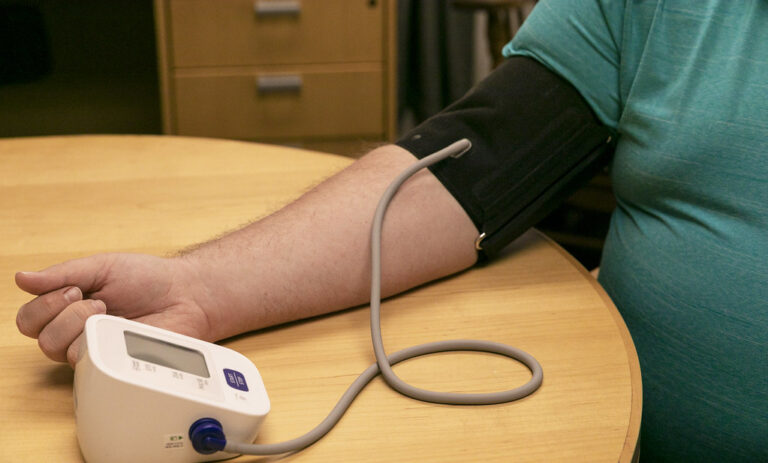
When you see the same provider over the years, they learn your health history, your family background and what is normal for you. That context makes it easier to notice small changes, such as weight shifts or new patterns in blood pressure, that might be missed in a one-time visit.
It also means you do not have to repeat your whole history at every appointment. Conversations become quicker, more personal and more focused on what matters to you.
A Focus on Prevention
A primary care provider does more than treat illness. They help you stay ahead of problems by recommending routine screenings, vaccines and lifestyle changes that fit your age and risk factors. Regular check-ins make it easier to keep track of what is due and when.
Your provider can also help with everyday goals, like improving sleep, managing stress or becoming more active. Having someone who follows your progress can make these changes feel more achievable.
Help Finding the Right Specialist
Health care can feel confusing. Your primary care provider acts as a central point, helping you decide when a specialist is needed and which type to see. They can share your records, review advice from other doctors and help you make sense of it all.
- Coordinating care between several providers
- Keeping one up-to-date record of your medicines
- Helping you weigh options when decisions feel complex
How to Choose a Provider You Trust
Start by checking which providers are covered by your insurance and located within easy reach. Read reviews, ask friends for suggestions and consider whether you prefer a family medicine doctor, an internist or a nurse practitioner. Office hours, telehealth options and how easily you can get an appointment are worth considering too.
Your first visit is a chance to see whether you feel comfortable. A good fit is someone who listens, explains things clearly and respects your questions. If it does not feel right, it is perfectly fine to try someone else.
Building a relationship with a primary care provider is one of the simplest investments you can make in your long-term health. Book a routine visit even when you feel well, and you will have a trusted partner ready when you need one.