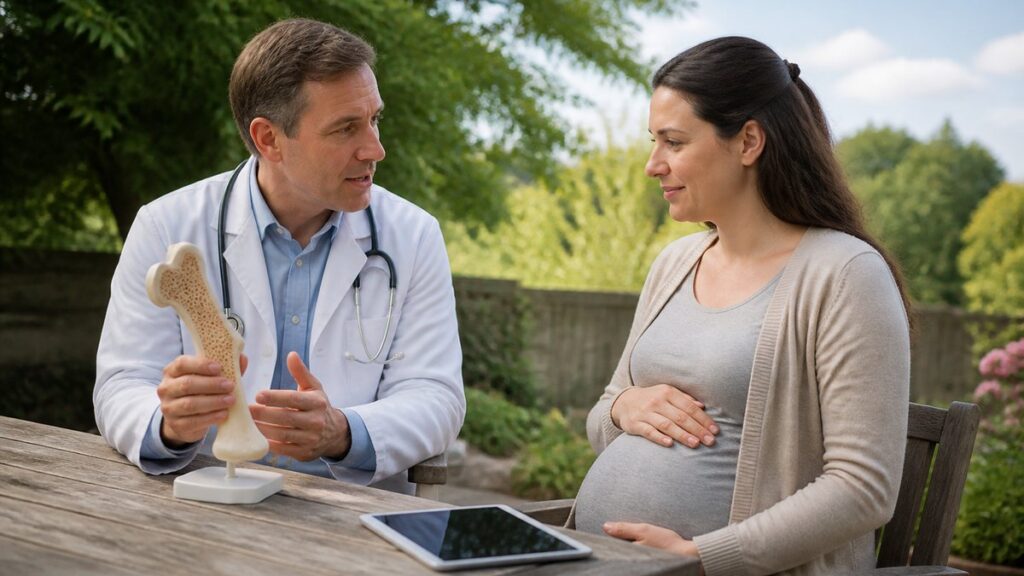
Osteoporosis and menopause are closely connected. Menopause marks the end of monthly periods, and it brings major changes to hormone levels. These changes affect your bones, so many women lose bone density faster after menopause. When you understand this link, you can take steps to protect your bones.
Estrogen’s Role in Bone Health
Your bones change throughout your life. Your body breaks down old bone, and it builds new bone to replace it. Estrogen is a hormone that helps keep this process in balance. When estrogen levels are normal, bone loss stays slow, and your skeleton remains stronger. Estrogen also helps your body use calcium, a mineral that bones need for strength. This decline is slow at first, and most people do not notice any changes.
When estrogen levels remain stable, your body can maintain a healthy balance between bone loss and bone renewal. This imbalance leads to thinner, weaker bones, or it will sometimes lead to osteoporosis. This is why bone loss often begins in the years around menopause.
Bone Changes After Menopause
You may not notice bone loss, but a bone density test will detect it. A bone density test measures how strong your bones are. It is a simple, painless scan, and it gives your doctor useful information about your fracture risk. Doctors often recommend this test for women at or after menopause, and it helps track changes in bone density over time. If your results show low bone density, your doctor acts early. Bone density results are compared to a standard reference range. A normal result means your bones are within a healthy range for your age. If you already have osteoporosis, these changes can make your condition worse.
Treatment Options for Bone Protection
Several treatments can help slow bone loss after menopause. Your doctor may suggest medications that slow the breakdown of bone, and some of these help rebuild bone. Each option has benefits and risks, so your plan will be tailored to you. Some women may need a combination of approaches, and your plan will change over time. Regular follow-up appointments help your doctor track your progress and adjust your care as needed. Staying active also supports a healthy body weight, which reduces strain on your bones and joints and lowers your overall fracture risk. If you are new to exercise or managing another health condition, start slowly and build up gradually. Your doctor or a physical therapist can help you find a routine that works for you. Medical options:
- Bisphosphonates: These common medications reduce how fast your body breaks down bone. Your doctor may recommend them if your bone density is low or your fracture risk is high.
- Hormone therapy: This replaces some of the estrogen your body no longer makes. It can protect bone density, but it also carries risks for some women.
Treat Your Osteoporosis Today
Menopause and osteoporosis share a direct link through estrogen. Lower estrogen speeds up bone loss, and this raises your risk of fractures. If you have osteoporosis, schedule a visit with your doctor. Ask about a bone density test. Discuss whether medications or hormone therapy fit your needs. Bring a list of your current medicines and questions to your appointment. Your care team helps you build a plan, and you can start protecting your bones today.
Find more plain-language health guides and free online calculators on Nemin.io.