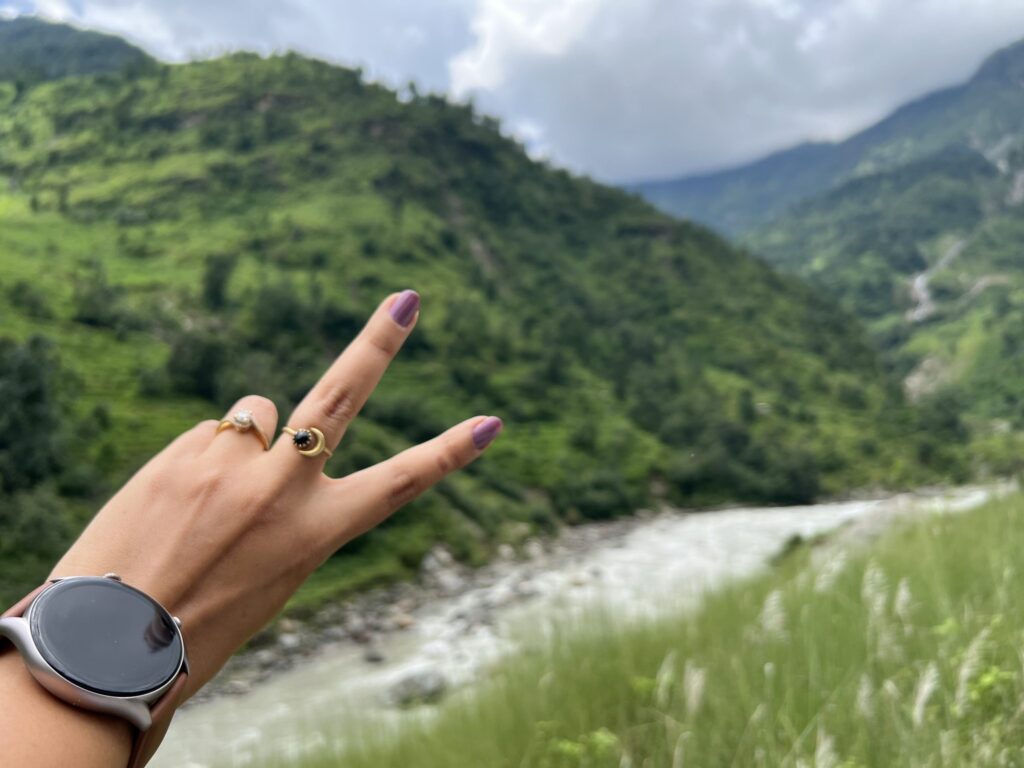
Fitness trackers and smartwatches have become everyday companions for millions of people. They count steps, estimate sleep, track heart rate and send cheerful reminders to stand up. Used well, they can be a fun source of motivation. But with so many charts and alerts, it is easy to feel like you are always behind. Here is how to make your tracker work for you, not the other way around.
Focus on a Few Useful Numbers
Most trackers measure far more than anyone needs to watch every day. Choose one or two numbers that match your current goals and let the rest fade into the background.
- Daily steps or active minutes are a simple way to see how much you move.
- Sleep duration can remind you to protect your bedtime.
- Weekly trends are often more meaningful than any single day.
You can usually hide or rearrange items on the main screen so only your chosen numbers appear first.
Remember That Estimates Are Not Perfect
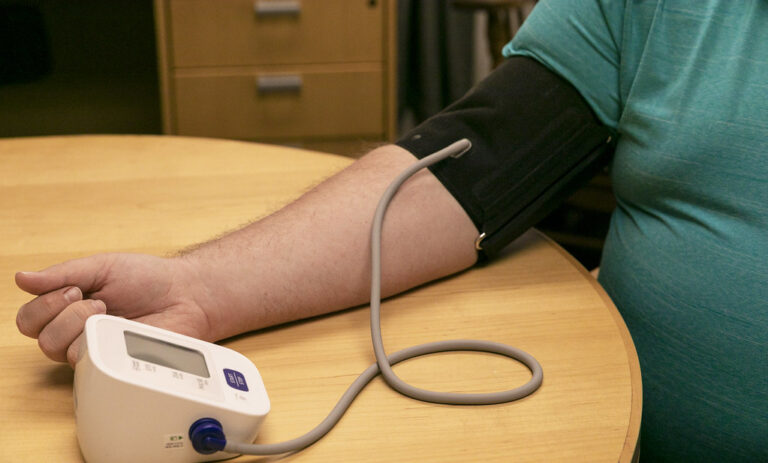
Wearable devices are helpful guides, but they are not medical instruments. Step counts, calories burned and sleep stages are estimates based on movement and sensors, and they can vary between brands and even between wrists. Use the numbers to spot general patterns rather than treating them as exact scores.
If your device ever shows readings that worry you, such as an unusual heart rate, do not panic or try to interpret it alone. Share the information with a doctor, who can look at the full picture.
Set Gentle, Realistic Goals
Default goals are not designed for everyone. If ten thousand steps feels out of reach right now, lower the target to something you can meet most days and increase it slowly. Reaching a goal regularly feels much better than missing a big one again and again.
It also helps to value activities your tracker may not fully capture, such as stretching, gardening, swimming or playing with children. Movement counts even when the watch does not notice it.
Take Breaks From the Data
If checking your stats starts to feel stressful, turn off some notifications or take the tracker off for a weekend. Paying attention to how you actually feel, including your energy, mood and sleep quality, is just as valuable as any chart. Many people find they enjoy their device more after a short break.
A fitness tracker is a tool to encourage healthy habits, not a judge of your worth. Keep your focus simple, set kind goals and listen to your body. That balance can turn your wearable into a friendly helper on your journey to feeling better.