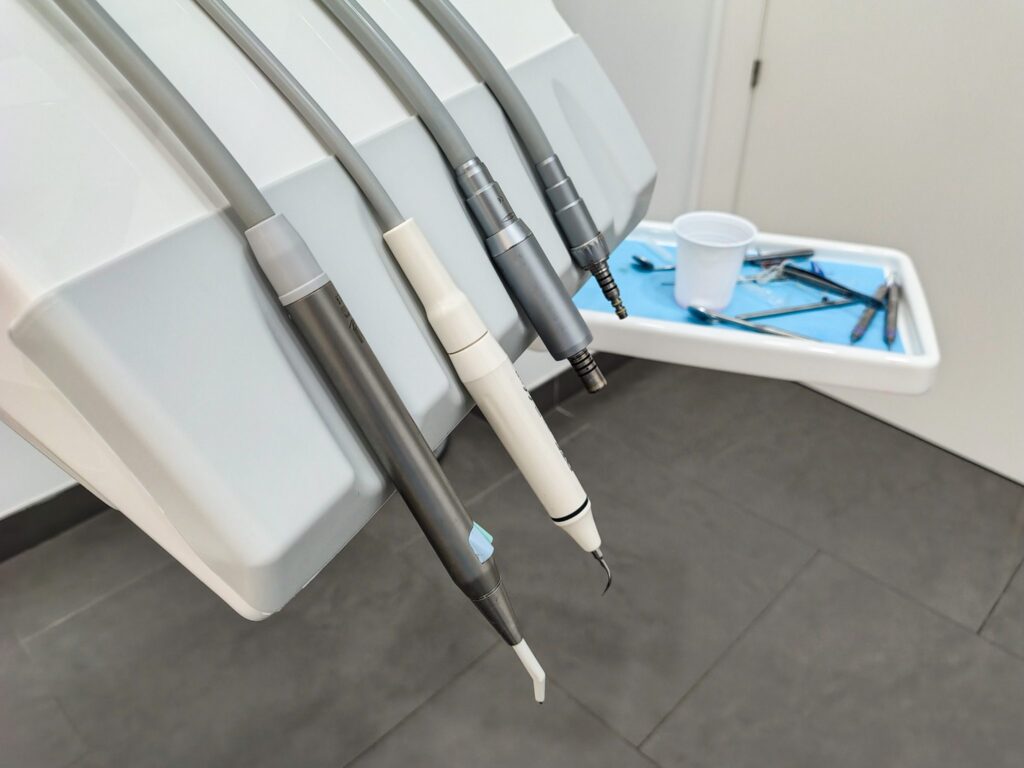
For many people, a visit to the dentist brings a small wave of nerves. Often, that worry comes from not knowing exactly what will happen. Routine checkups are usually straightforward, and understanding the steps can help you feel more relaxed and in control. Here is a general look at what typically happens during a standard dental visit, though every practice may do things a little differently.
Before the Appointment
When you arrive, you may be asked to update your medical history, list any medications and mention any changes in your health. This information helps your dental team provide safe care. It is also a good time to share any concerns, such as sensitive teeth, bleeding gums or dental anxiety. Letting the team know you feel nervous can help them explain each step and go at a comfortable pace.
The Cleaning
A dental hygienist often begins with a professional cleaning. This usually includes:
- Removing plaque and hardened tartar from around the gumline and between teeth.
- Polishing the teeth to help remove surface stains.
- Flossing to clean the tight spaces between teeth.
- Sharing tips on brushing and cleaning between your teeth at home.
You may feel some scraping or vibration, but cleanings are generally not painful. If anything feels uncomfortable, you can raise a hand to ask for a short break.
The Dental Exam
Next, the dentist will look closely at your teeth, gums and mouth. They check for signs of tooth decay, gum problems, worn fillings and other changes. Many dentists also check your jaw, tongue and the soft tissues of your mouth. Depending on your needs and how long it has been since your last visit, X-rays may be taken to see areas that are not visible to the eye, such as between teeth or below the gumline.
After the Visit
At the end of the appointment, the dentist will usually talk you through what they found and whether any follow up care is recommended. This is a great moment to ask questions. Do not be shy about asking what a term means, what your options are or how to care for a particular area at home.
Many people are advised to have checkups about twice a year, but your dentist may suggest a different schedule based on your oral health. Booking your next visit before you leave makes it easier to stay on track.
Regular dental visits are one of the best ways to catch small problems early and keep your smile healthy. With a little preparation and open communication, your next checkup can feel like a simple, positive part of looking after yourself.