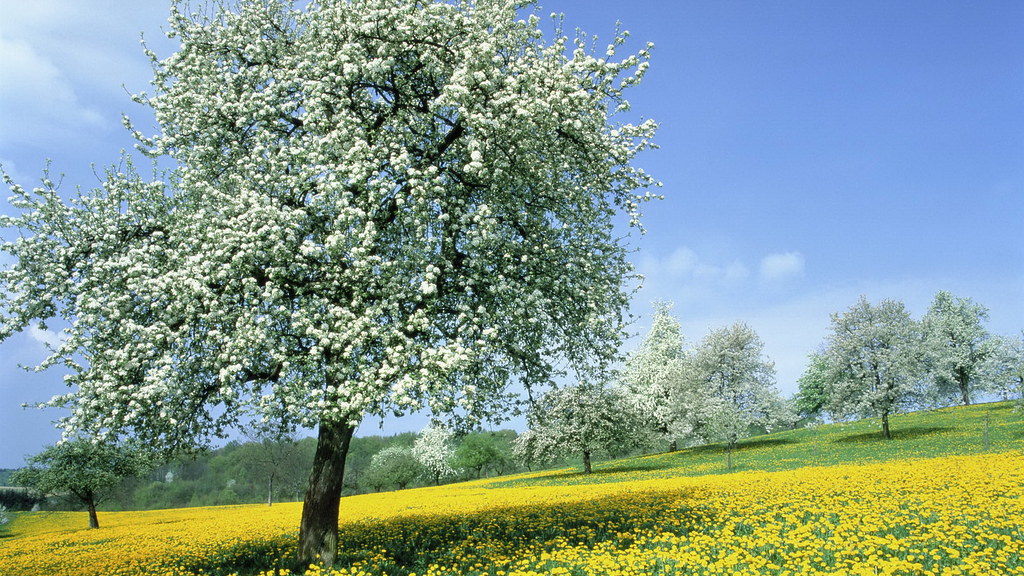
When trees, grasses and flowers begin to bloom, many people feel torn. The weather is finally lovely, yet pollen can bring sneezing, watery eyes and a scratchy throat. With a little planning, it is often possible to enjoy fresh air while keeping your exposure a bit lower, so you can make the most of the brighter months.
Check the Pollen Forecast First
Many weather apps and local news sites share daily pollen counts alongside the temperature. Levels are often higher on warm, dry and windy days, and lower after a steady rain. Checking the forecast in the morning lets you choose the best times for a walk, a run or yard work.
In many areas, pollen tends to be higher in the morning, so late afternoon or early evening outings may feel more comfortable for some people.
Dress and Pack Smartly
What you wear can make a surprising difference to how much pollen comes home with you.
- Wraparound sunglasses help shield your eyes from drifting pollen.
- A hat keeps particles from settling in your hair.
- Light layers are easy to remove and wash as soon as you get back.
- A water bottle and tissues are always worth having in your bag.
Choose Your Activities and Places Wisely
Freshly cut grass and busy flowering parks can be tough on sensitive noses. On high-count days, you might swap a meadow hike for a walk along a beach, a lake or a city path with fewer blooming plants. Indoor options such as swimming pools, gyms or museums can fill the gap when counts are especially high.
If you enjoy gardening, consider asking a family member to handle the mowing, or wearing a mask designed to filter fine particles while you work.
Unwind Without Bringing Pollen Inside
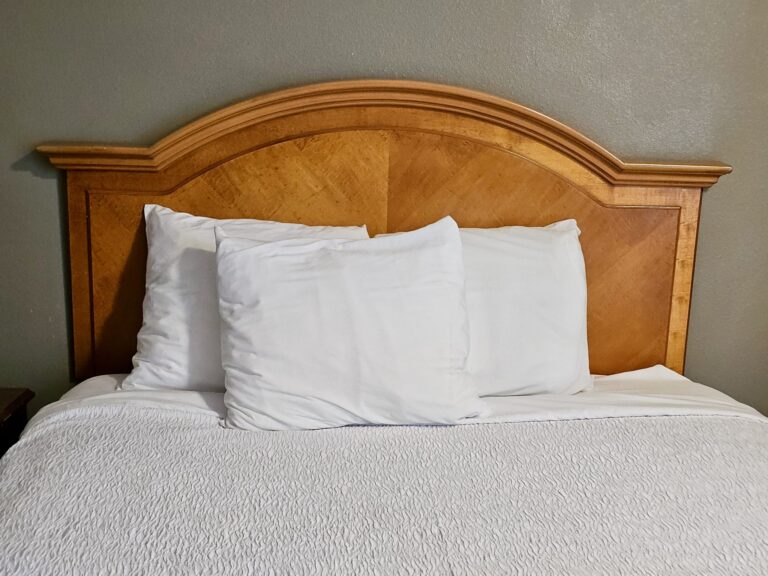
Once you are home, a quick routine can stop pollen from spreading through the house. Leave shoes by the door, change your clothes, and rinse your face and hands. A shower before bed keeps pollen off your pillow. Drying laundry indoors during peak season also helps, since sheets hung outside can collect pollen from the air.
Wiping down pets after a walk can help too, since fur carries pollen indoors just like clothing does.
Everyone reacts differently, so it helps to notice which days and places affect you most and plan around them. If seasonal symptoms often interfere with work, sleep or the things you love doing, talk with a doctor or allergist. They can help you find an approach that lets you spend more time enjoying the outdoors.