You spend roughly a third of your life in the bedroom, so it makes sense that this room can have a big effect on how you feel. For many people with indoor allergies, the bedroom quietly collects dust, pet dander, pollen and other tiny particles that can lead to sneezing, a stuffy nose or itchy eyes, especially at night and first thing in the morning. The good news is that a few steady habits can make the space noticeably fresher.
Start With Your Bedding
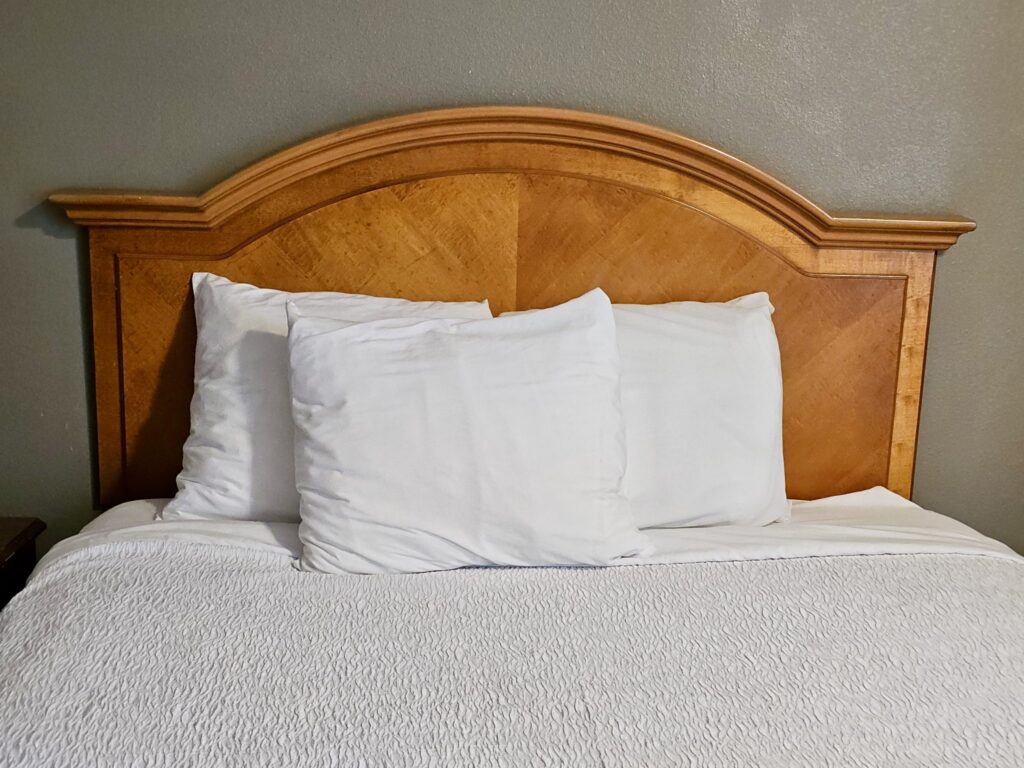
Pillows, mattresses and duvets are favorite hiding spots for dust mites, which thrive in warm, slightly humid places. Washing sheets and pillowcases once a week in hot water is one of the simplest steps you can take. Many people also like zippered, allergen-resistant covers for the mattress and pillows, which act as a barrier between you and whatever lives inside.
If your pillows are several years old, replacing them can also be a fresh start.
Keep Surfaces Simple and Easy to Clean
The more clutter a room has, the more places dust can settle. Try to keep nightstands, shelves and the floor as clear as possible.
- Dust with a damp cloth rather than a dry one, so particles are trapped instead of stirred up.
- Vacuum at least once a week, ideally with a machine that has a fine filter.
- Swap heavy curtains for washable blinds or light curtains you can launder often.
- Store books, clothes and extra blankets in closed drawers or boxes.
Manage Air, Humidity and Pets
Dust mites and mold both prefer damp air, so keeping indoor humidity moderate can help. A simple hygrometer can show you the level in your room. On high pollen days, keeping windows closed and running an air purifier with a good filter may make the air feel cleaner.
Pets are part of the family, but their dander can linger on bedding for a long time. Keeping them out of the bedroom, or at least off the bed, is a helpful compromise for many households.
Build a Before-Bed Routine
Pollen clings to hair, skin and clothes during the day. Changing out of outdoor clothes before entering the bedroom and taking a quick evening shower can keep those particles off your pillow. Leaving shoes at the door helps too.
Small changes add up, and you do not need to do everything at once. Pick one or two ideas to start this week and notice how you feel. If your symptoms keep disturbing your sleep or seem to be getting worse, an allergist can help you understand your triggers and talk through options that suit you.