Small accidents happen at home all the time, from a kitchen cut to a scraped knee. Having a well-stocked first aid kit means you can respond calmly instead of searching through drawers. Putting one together takes less than an hour and can be a helpful family project. You can buy a ready-made kit and add to it, or build your own using a sturdy, clearly labeled container.
The Basic Supplies
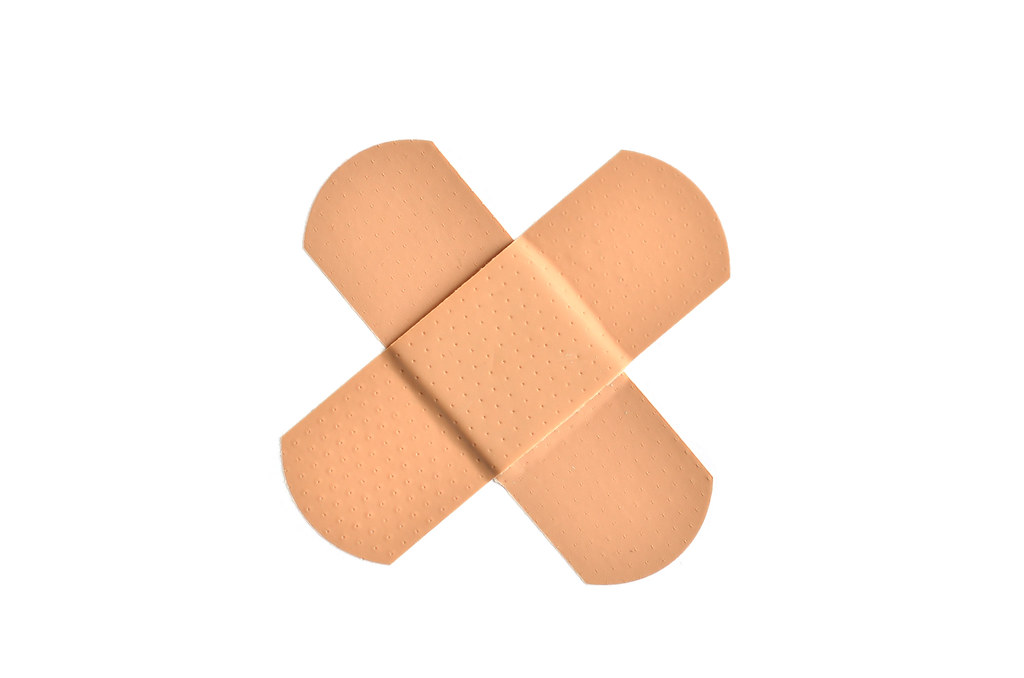
- Adhesive bandages in several sizes
- Sterile gauze pads and medical tape
- An elastic wrap bandage for sprains
- Antiseptic wipes and a gentle soap for cleaning wounds
- Tweezers, small scissors and disposable gloves
- An instant cold pack
- A digital thermometer
You may also want everyday items your household uses, such as pain relievers or allergy medicine. Ask a pharmacist or doctor which options are suitable for each family member, especially for children.
Helpful Extras
A small flashlight, a notepad and pen, and a list of emergency phone numbers are easy additions. Include your poison control number and the contact details for your primary care provider. A simple first aid guide or card can help you remember basic steps when you feel rushed. If anyone in your home has a known allergy or health condition, keep a note of their key details and any items their doctor has advised having on hand.
Where to Keep Your Kit
Store the kit in a cool, dry place that adults can reach easily, but keep medicines out of reach of children. Many families keep a main kit at home and a smaller one in the car or a travel bag. Make sure everyone in the household knows where it is.
Check the kit every few months. Replace anything that has been used and throw away items that have expired or look damaged. A quick check at the start of each season is an easy habit to remember.
Know When a Kit Is Not Enough
A first aid kit is meant for minor injuries. For serious injuries or emergencies, such as heavy bleeding, trouble breathing, chest pain or a person who will not wake up, call your local emergency services number immediately.
For wounds that are deep, will not stop bleeding, show signs of infection or come from an animal bite, contact a healthcare professional or visit an urgent care center. Taking a basic first aid class through a local community group can also build your confidence.
Take a moment this week to gather your supplies. With a well-stocked kit, a little know-how and a calm approach, you will be ready to handle the everyday bumps and scrapes of family life calmly and safely.