Skin cancer treatment options vary depending on the type, stage, and location of the cancer. A specialist evaluates your diagnosis and reviews your medical history so they can explain which treatments are appropriate for your condition. An individualized care plan outlines the next steps, and regular follow-up visits help monitor progress and assess treatment outcomes. Here are some ways a skin cancer specialist can help you navigate treatment options:
Understanding Your Diagnosis
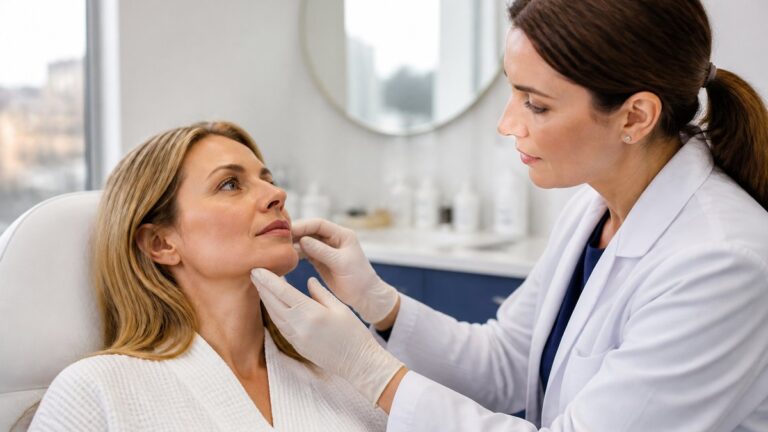
A skin cancer specialist reviews your pathology report and explains how the findings influence treatment decisions. The report identifies the type of skin cancer, such as basal cell carcinoma, squamous cell carcinoma, or melanoma, and it provides details that help guide care. The specialist also evaluates factors such as tumor depth and location to determine which treatments may be appropriate. When these findings are reviewed together, they help establish an individualized treatment plan based on your diagnosis and medical needs.
Reviewing Treatment Options
As you review treatment strategies that match your case, you may hear about surgical and non-surgical approaches. Discuss how each one addresses cancer cells while preserving healthy tissue. The doctor can explain how treatments affect daily routines, and you’ll discuss your medical history so the plan aligns with any other conditions. Treatment options include:
- Cryotherapy: Liquid nitrogen freezes superficial cancer cells, and the treated area then heals over time.
- Topical anti-cancer medication: Prescription creams target abnormal cells in the upper skin layers and avoid an incision.
- Standard excision: The surgeon removes the tumor with a margin of normal skin, then closes the area.
- Observation and follow-up: In select cases, the specialist recommends close monitoring with scheduled skin checks.
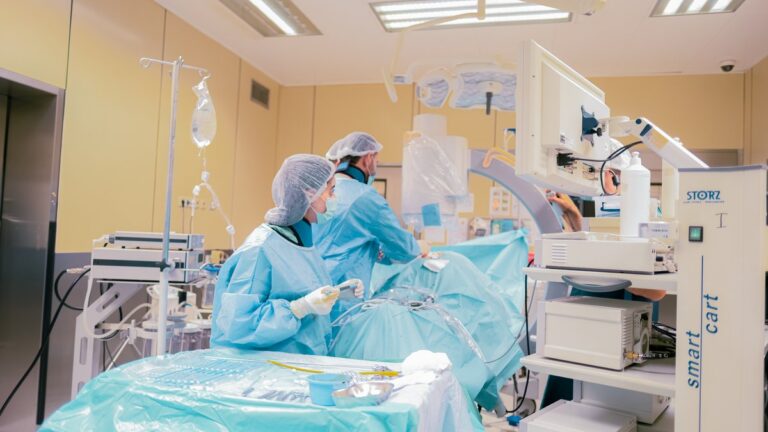
For certain skin cancers on the face, ears, or other sensitive areas, Mohs surgery offers precise removal with tissue preservation. The procedure removes tissue layer by layer, and each one is examined under a microscope before the next is taken. This approach targets cancer cells while sparing as much healthy skin as possible. It supports both function and appearance. A skin cancer specialist can explain why Mohs surgery fits your lesion and how the day of surgery usually progresses.
Coordinating Follow-Up Visits
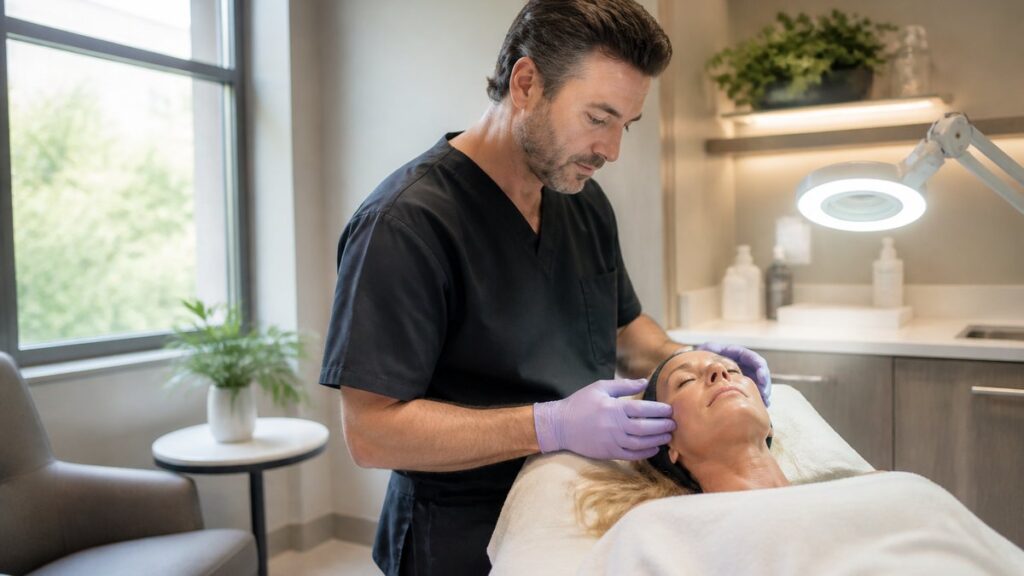
After initial treatment, a skin cancer expert establishes a follow-up schedule tailored to your risk profile. Regular skin exams help identify new lesions early, and they track any changes near previous treatment sites. The specialist reviews sun protection habits and discusses any workplace or lifestyle exposures that influence future risk. When you know what to watch for between visits, you can participate actively in long-term skin health. Warning signs to look for and discuss with a professional include:
- New or changing growths
- Nonhealing sores
- Unusual pigmentation
- Persistent skin changes
- Changes near treatment sites
Find a Skin Cancer Specialist
A skin cancer specialist helps patients understand their diagnosis, explore appropriate treatment options, and maintain consistent follow-up care. Regular skin examinations and timely evaluations can support early detection and help identify changes that require further attention. Because treatment needs vary by cancer type and individual risk factors, working with an experienced specialist supports informed care decisions. Contact a qualified specialist today to discuss your concerns; they can develop a care plan that meets your needs.