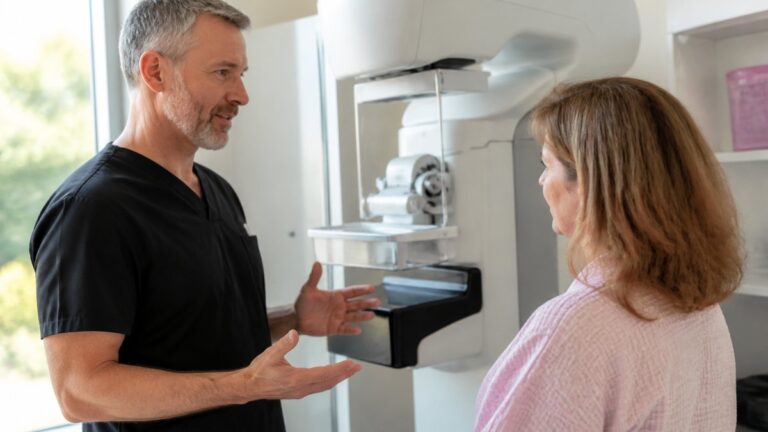
Post-traumatic stress disorder (PTSD) affects how a person thinks and functions from day to day. Professional support gives structure to managing the condition. Symptoms may shift over time, sometimes interfering with relationships and daily routines. When treatment plans are guided by clinicians, care can follow a clear path.
What Is PTSD?
PTSD is a mental health condition that develops after exposure to a traumatic event, and it involves patterns of distress that last beyond the initial shock. People may experience nightmares or flashbacks. Some people notice that they start avoiding places or activities that remind them of what happened. When this pattern continues, daily tasks and social situations can start to feel less manageable. There are many events or situations that may lead to developing PTSD. These causes tend to be upsetting, including violent events, the loss of a loved one, or experiencing natural disasters.
How Can It Be Treated?
Ketamine is a medication that has been used in medical settings for many purposes, and some clinicians now include it in treatment plans for certain mental health conditions. In these settings, ketamine is administered under supervision, and dosing is guided by medical protocols. The goal is to create a controlled environment. This environment supports close monitoring before, during, and after each session.
What Are the Benefits?
Professional help can bring a structured evaluation process, and that process supports more targeted treatment decisions. They may track symptom changes over time, allowing them to adjust the plan when progress slows. This approach helps distinguish between trauma-related symptoms and other concerns that can benefit from different forms of care. The structure may also give patients a way to see patterns in their mood and daily functioning.
Treatment with a professional can include more than one approach, and this flexibility allows care teams to respond when one method is not enough. When several strategies are coordinated, they may better support each other, and they create multiple paths toward improved function. This layered approach can also leave room to adapt as life circumstances change.
Working with a specialist creates regular opportunities to review progress, and those check-ins help people adjust as they move through different stages of recovery. As they go through life while receiving treatment, patients may bring feedback back to the clinician, and that feedback informs the next steps. This cycle helps build a management routine that suits their individual case.
Seek Care From a Specialist
People dealing with PTSD symptoms benefit from a treatment plan that is organized, measured, and revisited on a regular schedule. A specialist can evaluate which therapies align with specific goals, and that guidance keeps care from drifting into trial-and-error without direction. When options like ketamine are available, professional oversight helps evaluate them in context to a patient’s situation; that context supports informed decisions. As treatment progresses, this support may help people maintain progress and respond more steadily to stressors. Working with a clinician who understands trauma-related conditions gives structure to this process, and that structure helps patients move through treatment with a clearer sense of what each step is designed to accomplish.