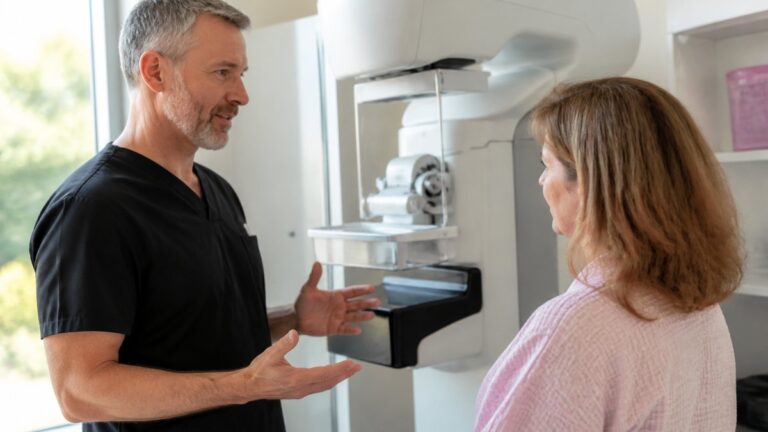
Obstetrics covers more than labor and delivery, and patients may meet several different specialists throughout pregnancy and postpartum. Each specialty focuses on a specific part of care, from routine checkups to surgery and recovery. When patients understand these areas, they can ask more focused questions, compare available options, and work more directly with their healthcare team. Here is more information on the various specialties within obstetrics:
Prenatal Services
Prenatal services bring together screenings, education, and monitoring. They support both the pregnant patient and the developing baby. Routine visits track weight and fetal growth, and they give the provider a chance to address new symptoms. When visits follow a regular schedule, the obstetrics team can respond earlier to trends that need extra attention.
During prenatal care, patients move through a standard set of tests, and these tests change as pregnancy progresses.
- Laboratory tests and imaging to track maternal and fetal health
- Screenings for conditions that affect pregnancy outcomes
- Nutritional guidance and discussion of supplements
- Education on labor, delivery options, and postpartum expectations
Minimally Invasive Surgery
Minimally invasive surgery uses small incisions and specialized instruments. These techniques aim to reduce recovery time, and they may allow patients to go home sooner than with traditional open surgery. When selecting a surgical approach, a surgeon evaluates the patient’s diagnosis, anatomy, and previous procedures.
Standard minimally invasive techniques include laparoscopy and hysteroscopy; each method gives the surgeon a different view of the pelvis. As surgeons perform laparoscopy, they insert small ports through the abdominal wall, which provide access for cameras and specialized instruments. Hysteroscopy passes instruments through the cervix into the uterus. These techniques offer enhanced precision for the operating surgeon.
Recovery from minimally invasive surgery may involve specific instructions about activity level, incision care, and symptom monitoring. A clear plan for follow-up visits supports safe healing, and it also gives patients space to ask about returning to work or sexual activity. When patients understand the purpose of each step, they can recognize symptoms sooner and contact their provider promptly.
Midwife Care
Midwife care focuses on pregnancy, birth, and postpartum support, and it may emphasize education and shared decision-making. Certified midwives receive training in normal pregnancy and birth. They know when a situation needs an obstetrician’s input. Some practices integrate midwives and physicians in the same group, allowing patients to move between providers as needs change.
During prenatal visits with a midwife, appointments may include both physical assessments and detailed conversations. Patients review test results, discuss birth preferences, and talk through pain management options. They may also learn what signs require urgent evaluation. Midwives typically support breastfeeding and newborn care education, and they offer guidance on recovery after delivery.
Learn More About Obstetrics
Patients looking into obstetric services benefit from reading about practice offerings and provider backgrounds. Obstetrics involves prenatal care, delivery planning, surgical management, and postpartum support; each area shapes the overall experience. Because every practice organizes these services differently, reviewing details ahead of time helps align expectations with available resources. Schedule an appointment to learn more today.