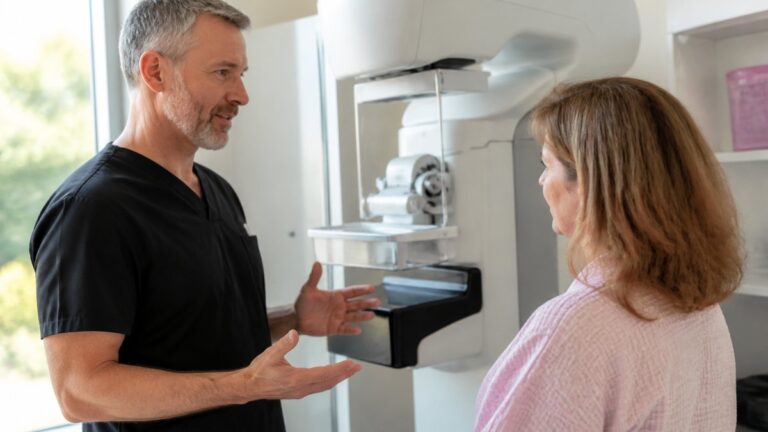
A Pap smear is a routine screening test for the cervix. A provider collects a small sample of cells, and a lab examines them under a microscope. Since cervical changes rarely cause symptoms early on, this test helps find problems before you notice anything. Here is more information on the role of this test in detecting cervical issues early:
Screening During the Precancerous Stage
Cervical cancer typically develops slowly, and it starts with abnormal cell changes. While cells are in this precancerous stage, a Pap smear may detect them. Early findings allow simpler follow-up care. This gradual process may take many years.
If a result shows mild changes, your provider may recommend a repeat test or closer monitoring. Many mild changes clear up on their own. Other changes persist over time, so your provider will watch them closely. Your provider will explain each step in plain terms.
Detecting the Human Papillomavirus
Human papillomavirus (HPV) causes many cervical cancers. Since a Pap smear looks at cells, it does not test for the virus itself. Many clinics run an HPV test on the same sample, and you will not need a second exam. This combined approach is called co-testing.
HPV is widespread, and most infections go away without treatment. A few high-risk types stay in the body for years. When these types linger, they may cause the cell changes a Pap smear detects. You may want to ask your provider a few questions at your visit:
- Will my sample include an HPV test?
- Which HPV types does the test check for?
- How will I receive my results?
- Do I need the HPV vaccine?
Performing Tests at Intervals
Since cervical cell changes develop slowly, most people do not need yearly tests. Guidelines vary by age, and your health history also plays a role. Current recommended intervals follow a simple pattern:
- Ages 21–29: A Pap smear every three years
- Ages 30–65: A Pap smear every three years, an HPV test every five years, or both every five years
- Over 65: Screening may stop after several normal results in a row
Some people need more frequent tests. If you have a weakened immune system or past abnormal results, your provider may shorten the interval. Keep a record of your test dates, and bring it to each appointment. Your past results help your provider choose the next date.
Identifying Precancerous Cells and Growths
The lab sorts results into categories, and each category guides your next step. A normal result shows healthy cervical cells. When cells look unusual, the report may list terms like ASC-US or LSIL. Your provider will review the report with you.
While these terms sound alarming, they describe the degree of cell change. ASC-US signals slightly unusual cells, and LSIL points to mild changes. HSIL indicates more serious changes. Your provider uses this grade to plan your next step.
Abnormal results lead to further testing. A colposcopy gives your provider a magnified view of the cervix, and a biopsy may follow. If the biopsy confirms precancerous growths, your provider will explain removal options and follow-up care. Many treatments take place in the office during a single visit.
Schedule a Pap Smear Regularly
As cervical changes may cause no symptoms, regular Pap smears offer a way to track your cervical health. Talk with your provider about the right schedule for you. Book your next screening today, and add a reminder for the following one. Bring your questions and past results to the visit.