The heart works continuously to move blood through the body. When the heart or blood vessels stop functioning as they should, the effects can reach beyond the chest. Heart disease is a leading cause of death, and many cardiovascular conditions develop slowly with few early warning signs. Cardiology can address these conditions through targeted care.
What Is Cardiology?
Cardiology is a branch of medicine focused on the heart and cardiovascular system. Physicians in this field, called cardiologists, diagnose, monitor, and manage conditions that affect how the heart beats, pumps, and circulates blood. The field spans several areas, and this includes preventive care, rhythm disorders, and imaging-based evaluation of heart function.
What Does It Treat?
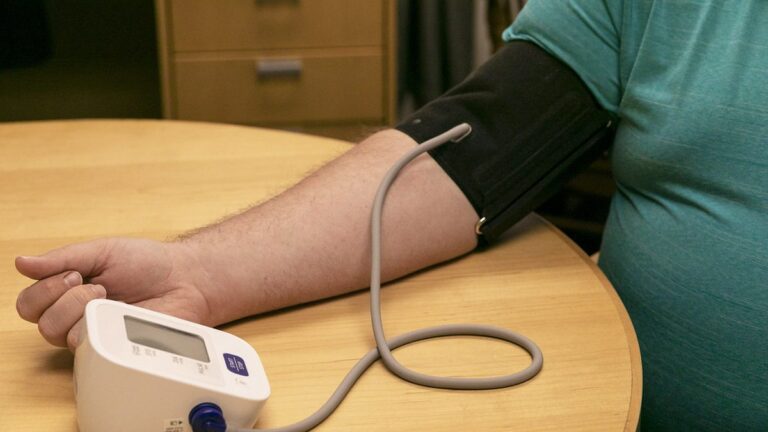
Cardiologists treat a broad range of conditions affecting the heart muscle, valves, rhythm, and blood vessels. Hypertension occurs when blood pressure stays elevated over time. It can produce no symptoms, and this makes routine monitoring the primary means of detection. Management may include dietary changes, physical activity, and medication. Arrhythmias refer to irregular heart rhythms. Atrial fibrillation, or AFib, is a common type in which the upper chambers of the heart beat unevenly. Patients may describe the sensation as fluttering or skipped beats.
Valve disorders affect how blood moves through the heart. A valve may become stiff and narrow, or they fail to close completely, allowing blood to flow backward. Coronary artery disease develops when plaque accumulates inside the arteries supplying blood to the heart. This buildup, known as atherosclerosis, can narrow the arteries and restrict blood flow to the heart muscle.
Congestive heart failure describes a condition in which the heart does not pump blood as efficiently as the body requires. Fluid may accumulate in the lungs or lower extremities as a result. Cardiology also manages high cholesterol and cardiomyopathy, which is a disease of the heart muscle. Elevated cholesterol can contribute to arterial plaque, and cardiomyopathy affects the heart’s ability to pump blood effectively.
What Services Fall Under It?
Cardiology relies on a range of diagnostic tests to evaluate heart structure, electrical activity, and blood flow. Many of these tests are noninvasive, meaning they do not require surgery or needles, so you can feel at ease knowing the process is typically straightforward and comfortable. Your cardiologist will determine which tests are most appropriate based on your symptoms and medical history, which may include:
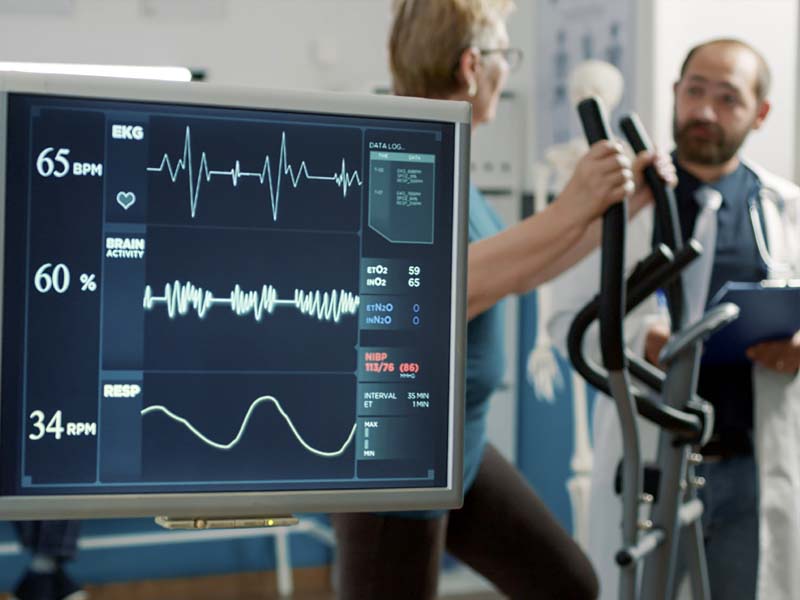
- EKG (Electrocardiogram): Sensors placed on the chest and limbs record the electrical signals of each heartbeat.
- Echocardiogram: This test uses sound waves to create moving images of the heart, allowing a cardiologist to assess chamber size, valve movement, and pumping strength.
- Doppler Exam: An ultrasound exam that evaluates blood flow through the carotid arteries in the neck and checks for narrowing that may raise the risk of stroke.
- Event Loop Monitoring: A portable monitor worn for several weeks records heart activity over time.
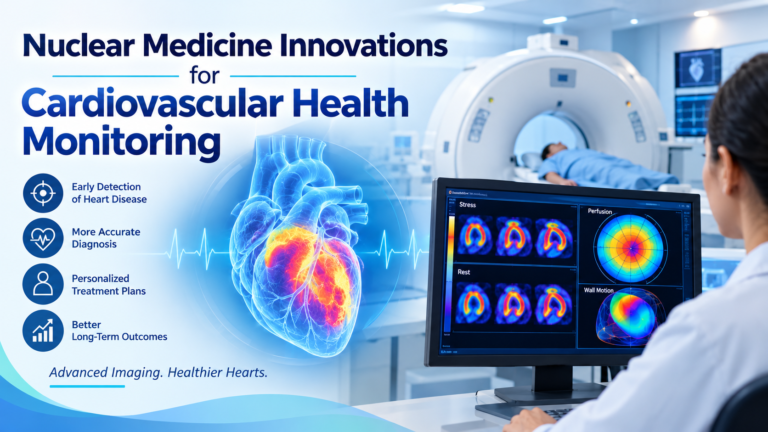
Nuclear stress testing is another possible option. A small radioactive tracer is injected into the bloodstream. Imaging equipment tracks how the tracer moves through the heart at rest and during activity, showing which areas receive adequate blood flow.
Seek Professional Heart Health Care
Cardiology care extends beyond those with active symptoms; people with a family history of heart disease, elevated blood pressure or cholesterol, diabetes, or a history of tobacco use may benefit from a cardiology evaluation. For those managing a known heart condition, cardiology is often an ongoing relationship. A cardiologist may schedule follow-up testing at regular intervals, recommend cardiac rehabilitation, or coordinate care with a primary care provider to maintain a comprehensive view of a patient’s overall health.