A general surgeon evaluates more than a single scan or lab result, and this includes patterns of pain, diet tolerance, and prior medical history. When gallstones or inflammation disrupt daily life, surgery becomes part of the treatment discussion; the goal is to remove the diseased organ while maintaining safe digestive function. A structured approach to diagnosis, operation, and follow-up helps guide patients through each step. Here is more information on this procedure:
Upper Abdominal Pain
Upper abdominal pain starts the path toward a surgical evaluation. The discomfort typically appears under the right rib cage, and it may spread to the back or shoulder. When the gallbladder contracts against a blockage, the pain sometimes builds after meals, and it can last for hours. A general surgeon reviews when the pain began, how long it lasts, and which foods trigger symptoms. Once the pattern lines up with gallbladder disease, surgery enters the discussion as a structured option.
Advanced Gallbladder Issues
A general surgeon studies prior imaging, current lab results, and any previous abdominal operations, and each factor influences the surgical plan. Some patients reach a surgeon only after gallbladder disease has progressed. When disease advances, surgery sometimes takes longer, and the team prepares for a broader range of findings. Check for these signs:
- Recurrent infection: Episodes of fever, pain, and tenderness that return after medical treatment.
- Thickened gallbladder wall: Imaging shows structural change rather than a single mild flare.
- Increased stones in the bile duct: Blockage affects drainage from the liver and raises concern for jaundice.
- Pancreatic involvement: Gallstones trigger inflammation in the pancreas, and this adds risk.
- Scarred or contracted gallbladder: The organ shrinks and stiffens, which complicates removal.
Routine Operation
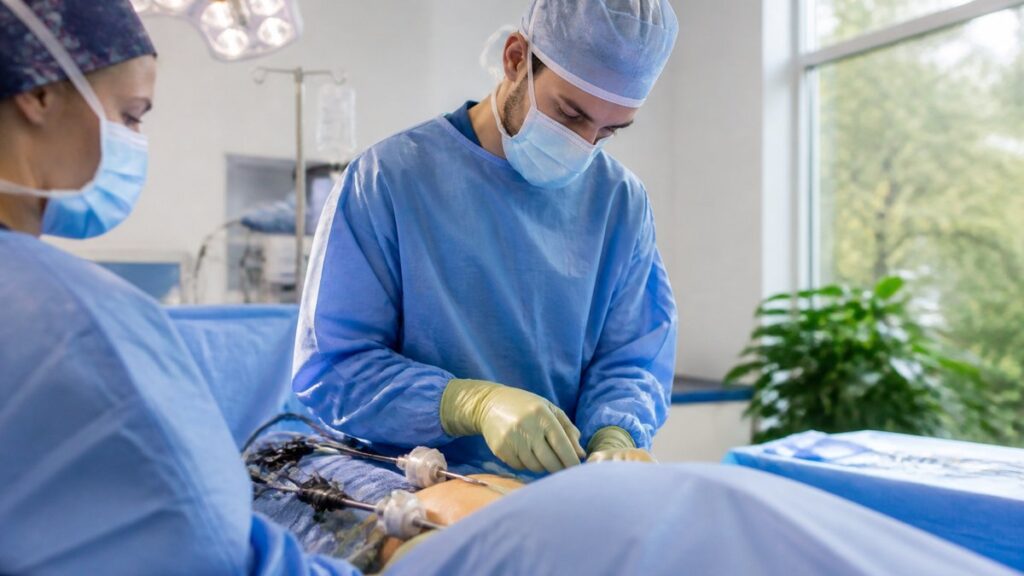
For many patients, gallbladder removal follows a standard protocol. The operation typically uses small incisions and a camera, and this approach limits muscle disruption. A general surgeon studies the anatomy on the screen. The goal is to clip and divide the structures feeding the gallbladder, then free the organ from the liver bed.
Standard gallbladder surgery still demands careful decision-making. If anatomy looks distorted or unsafe, the surgeon may change the plan, and the operation can shift to a different approach. Patients typically receive a detailed explanation of possible changes before surgery, so they understand why the plan might adjust in the operating room.
Light meals typically start soon after surgery, and the diet progresses as nausea subsides. A general surgeon gives guidance on lifting limits, driving, and returning to work. These instructions reflect the person’s overall health. While each case differs, most daily tasks resume gradually over several days or weeks.
Proper Aftercare
Aftercare focuses on wound healing, digestion, and early detection of complications. Patients track pain levels, bowel movements, and any new symptoms. This information helps guide follow-up visits. When questions arise, direct communication with the surgical team supports steady progress.
Digestive changes vary, and some people notice looser stools or sensitivity to high-fat meals. Follow-up appointments give the general surgeon a chance to review healing, discuss pathology findings, and adjust restrictions. If new pain, fever, or jaundice appears, prompt contact with the office keeps evaluation from being delayed.
Book a General Surgeon Consultation
A consultation with a general surgeon starts with a detailed review of symptoms, medical history, and imaging. This visit allows discussion of surgical options, anesthesia, and recovery timelines, and it also provides space for questions about risks. Scheduling a visit offers a structured way to decide whether gallbladder surgery aligns with current needs.